When you observe your child having difficulties with clutter, it’s crucial to handle the situation with care. Begin by recognizing the emotional connections they have with their possessions, as clutter often signifies deeper feelings. Assess their space to pinpoint specific trouble spots and establish clear, achievable goals.
Involving your child in the decluttering process not only empowers them but also teaches essential organizational skills. As you work together to create a structured plan, you will discover strategies that resonate with them, which helps to form a solid foundation for lasting improvement in their environment.
To ensure they can sustain this newfound order, consider implementing a few practical strategies. For instance, introduce the “one in, one out” rule: every time they bring in a new item, they must remove an old one. This practice promotes mindfulness about their belongings and helps prevent accumulation.
Set aside regular time for quick clean-ups—perhaps a few minutes each day or a dedicated session once a week. Make it enjoyable by playing their favorite music or turning it into a game.

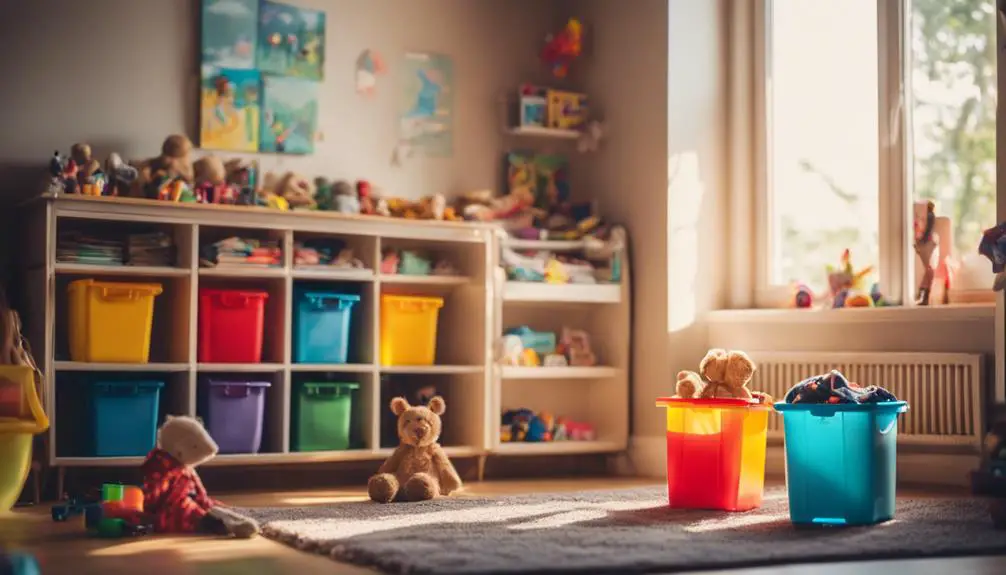
You might also consider using tools like storage bins or labels to create a system that makes it easy for your child to know where things belong. Products like colorful storage boxes or clear containers can encourage them to categorize their items, making organization feel less overwhelming.
By focusing on these methods, you can help your child develop habits that lead to a more organized living space.
Understand the Clutter Problem
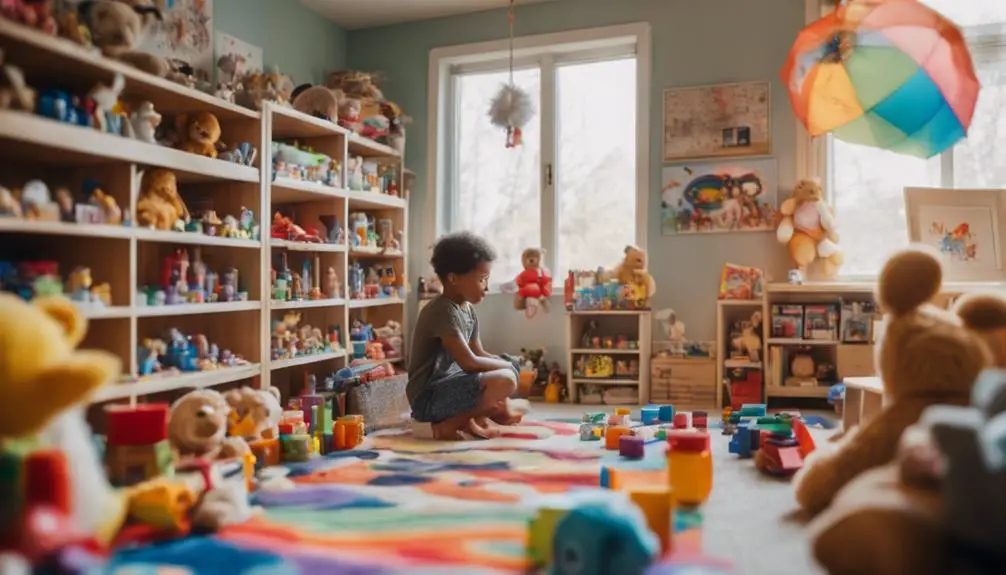
Clutter presents significant challenges for children, extending beyond mere physical disarray. It often generates a storm of emotions that can be overwhelming. When children are surrounded by chaos, focusing on tasks becomes difficult, which can lead to feelings of frustration, anxiety, or sadness. This emotional turmoil can create a cycle that makes it even more daunting for them to confront the mess in their environment.
Children flourish in spaces that encourage freedom and creativity. A cluttered room can inhibit their ability to think clearly and express themselves. They may struggle to locate their favorite toys or books, contributing to a sense of disorder. It’s important to understand that clutter isn’t simply indicative of laziness or a lack of organization; it represents a real emotional challenge for kids.

Recognizing the clutter problem involves understanding the emotional repercussions it has on a child’s well-being. Addressing the root causes of clutter can empower children to reclaim their space, leading to a renewed sense of freedom and happiness. Helping them take charge of their environment is essential for fostering their overall development and emotional health.
For instance, introducing storage solutions like colorful bins or shelves can make organizing toys and books easier and more enjoyable. Encouraging children to participate in the sorting process can also provide them with a sense of ownership over their space.
Assess the Child’s Space
Assessing a child’s space is crucial for understanding the level of clutter and its influence on their daily activities. Begin by observing their environment from their viewpoint. Notice how they engage with their surroundings; is it a place for creativity or does it feel chaotic? Identify the sources of clutter—those items or circumstances that contribute to disorder. Are toys scattered throughout the room, or is there an excess of school supplies?
Take the time to communicate with your child about their feelings regarding their space. Understanding whether they perceive it as overwhelming or if they thrive in the mess can provide essential insights into how to help them regain a sense of control.
Look for recurring patterns in the clutter as well. Is there a particular spot that consistently attracts mess? Pay attention to how often these areas require tidying. This evaluation will offer valuable information about how clutter impacts their mood, concentration, and overall sense of freedom.

With this understanding, you can create a more organized environment that encourages creativity and happiness, allowing your child to thrive in a space that genuinely meets their needs.
For practical improvement, consider using storage solutions such as bins for toys or drawer organizers for school supplies. Implementing these changes can significantly enhance the functionality of their space.
Set Clear Goals
To assist your child in managing clutter effectively, begin by setting clear objectives for their space. Identify which areas require the most attention and create achievable timelines for each task. This method will help your child remain focused and motivated throughout the decluttering process.
For example, if a bedroom is cluttered, you might decide to tackle the closet first. Set a goal to sort through clothes and shoes within a weekend, making it manageable. Use storage bins labeled for keep, donate, and discard to facilitate decision-making. This organized approach not only streamlines the process but also teaches your child valuable skills in organization and prioritization.
Furthermore, celebrate the small victories along the way. When a specific area is completed, take time to acknowledge the progress made. This positive reinforcement encourages continued effort and reinforces the importance of maintaining a tidy space.
Define Specific Objectives
Establishing clear goals is crucial when addressing clutter with your child. Defining specific objectives creates a clear pathway to managing overwhelming messes. This approach not only helps your child grasp the reasons behind the clutter but also enhances their mental well-being.
Research in child psychology indicates that a clean environment can lead to lowered anxiety levels and better concentration.
Here are three objectives to consider:
- Declutter a Specific Area: Select one particular space, such as a bedroom or playroom, to focus on. Concentrating on a single area provides a manageable starting point and allows your child to witness tangible progress quickly.
- Limit Toys or Items: Establish a target number for how many toys or items can be retained. This encourages your child to make thoughtful choices and appreciate the significance of their possessions.
- Establish a Daily Clean-Up Routine: Implement a brief, daily tidying session to cultivate a habit of organization and accountability.
These objectives not only pave the way for a cleaner living space but also instill valuable life skills in your child, fostering a sense of responsibility and empowerment.
Prioritize Areas to Tackle

When addressing clutter, it’s crucial to determine which areas require the most immediate attention. Begin by taking a close look at your child’s environment and identifying what tends to accumulate. Common culprits include toys, clothing, and school supplies that seem to multiply unexpectedly.
Once you have pinpointed these primary sources of clutter, you can prioritize the areas that need organization the most.
Select one or two spaces to concentrate on first, such as their bedroom, playroom, or study area. Focusing on a limited number of spaces reduces the overwhelming feeling often associated with decluttering. Engage your child in discussions about these areas, fostering their involvement and investment in the organization process.
Establish clear objectives for each selected area. For example, you might aim to sort through toys and identify which ones can be donated or discarded.
Use organizational methods that appeal to your child, such as colorful bins or labeled drawers, to create a system that’s easy for them to maintain. This approach not only aids in reducing clutter but also encourages a sense of ownership and freedom in their space.

The ultimate goal is to cultivate an environment where your child feels comfortable and able to express themselves without the burden of excess belongings.
Establish Realistic Timelines
After prioritizing the areas to address, it’s essential to set realistic timelines that make the decluttering process manageable. Defining clear and achievable goals helps both you and your child maintain focus, transforming the experience from overwhelming to liberating.
Here are three steps to craft effective timelines:
- Break Down Tasks: Instead of attempting to declutter an entire bedroom at once, focus on smaller sections. For example, start with one corner of the room or a specific drawer. This approach makes the task feel less daunting and more attainable.
- Set Time Limits: Determine how long you’ll dedicate to each section. Whether it’s a 20-minute session today or an hour this weekend, establishing realistic time frames keeps motivation high and helps prevent feelings of exhaustion.
- Celebrate Milestones: Recognize every achievement, no matter how small. Whether it’s clearing a tiny space or donating old toys, acknowledging these progress points reinforces positive habits. Celebrating these moments encourages your child to embrace the freedom that comes with less clutter.
Involve Your Child
To effectively manage clutter, it’s essential to involve your child in the process. Begin by fostering open dialogue about their feelings and perspectives on organization. Together, you can establish clear expectations, which will help them understand the tasks at hand and cultivate a sense of ownership over their space.

For instance, designate specific areas for toys, books, and clothes, and discuss why keeping these items organized is important. It not only helps maintain a tidy environment but also makes it easier for them to find what they need.
Encourage them to participate in sorting through their belongings, asking them to decide what to keep, donate, or discard. This practice not only teaches responsibility but also instills valuable decision-making skills.
Consider using colorful storage bins or labeled boxes to make organizing more engaging for your child. These tools can transform the task into a fun activity rather than a chore.
Encourage Open Communication
Establishing open communication with your child is crucial when addressing clutter. Engaging them in discussions about their belongings helps cultivate a sense of freedom and responsibility.
Actively listening to their thoughts and feelings demonstrates that their opinions are valued, creating a safe environment for them to express themselves. Offering emotional support will reassure them as they work through their clutter challenges.
Here are three effective ways to promote open dialogue:
- Use open-ended questions: Instead of asking questions that can be answered with a simple “yes” or “no,” try inquiring, “What are your thoughts on how your room looks?” This approach encourages more meaningful conversations and allows your child to articulate their feelings.
- Share your personal experiences: Discuss your own challenges with clutter. When you reveal your struggles, it can inspire your child to feel comfortable sharing their own emotions regarding their space.
- Establish a clutter-free discussion area: Create a specific spot in your home where you can sit together to talk about their items. This designated space should feel inviting and relaxed, making it easier for them to open up and share their thoughts.
Promoting open communication not only helps your child feel supported but also fosters a collaborative approach to managing their belongings.
Set Clear Expectations
After establishing open communication, it’s crucial to set clear expectations regarding clutter management. Involve your child in this process by discussing what a clutter-free space looks like and its importance. Make it a collaborative effort; ask them how they’d prefer to maintain order and what tools they might need. This approach empowers them and reinforces positive behavior.
Define specific goals together, such as cleaning up toys after playtime or organizing school materials before bedtime. Consistency in your expectations is key; gently remind them when they deviate from the agreed plan. This reinforcement helps create a routine that feels natural rather than forced.

Encourage your child to share their thoughts on these expectations. This open dialogue fosters independence and allows them to take ownership of their surroundings. When they grasp the reasons behind the expectations, they’re more likely to adhere to them.
Celebrate their achievements, no matter how small, to build their confidence and strengthen their commitment to a clutter-free environment. With a bit of guidance and support, you’ll see how quickly they adapt and flourish.
Create a Decluttering Plan
Creating a decluttering plan can greatly ease the process of organizing your child’s space. Establishing clear steps makes the task more manageable and empowers your child to take control of their environment. Here are three important elements to incorporate into your plan:
- Set a Timeline: Determine a specific time to focus on decluttering. This could be during a weekend, a few hours after school, or even during a holiday break. Having a set timeframe instills a sense of urgency and focus, making it easier to get started and stay committed.
- Choose Decluttering Techniques: Research different methods that might resonate with your child. For example, the “one in, one out” rule encourages them to consider what to let go of when they acquire something new. The “four-box method” involves sorting items into boxes labeled for keeping, donating, recycling, or trash. Including your child in this decision-making process fosters independence and responsibility.
- Establish Organization Strategies: Work with your child to create an organization system that fits their needs. Utilize storage bins, labels, or color coding to categorize items, making it easier to find things later. A well-organized space can enhance creativity and provide a sense of freedom, allowing your child to thrive in their environment.
Sort Items Together
When sorting items together, it’s crucial to establish distinct categories: Keep, Donate, and Discard. Setting a specific timeframe for the sorting process ensures that you remain focused and efficient. This approach enables your child to make choices without feeling overwhelmed by the task at hand.

Begin by gathering all items that need sorting into one area. As you sort, encourage your child to think about the value and usefulness of each item. For instance, if they come across a toy they no longer play with, discuss how someone else might enjoy it if donated. This not only helps in decision-making but also teaches the importance of sharing and helping others.
Consider using bins or boxes labeled with each category to make the sorting process more organized. This visual aid can assist your child in understanding where each item belongs. As you go through each item, remind them to think about whether it adds value to their life or if it’s simply taking up space.
Once the sorting is complete, take some time to celebrate the accomplishments. Acknowledge the effort put into the process and the positive impact of decluttering. This reinforces the idea that sorting and organizing can be a rewarding activity.
Identify Keep, Donate, Discard
Sorting through clutter can be daunting, but it becomes more manageable and even enjoyable when you work together.
Begin by collecting items that trigger feelings of clutter or emotional connections. This is an opportunity for your child to engage with their belongings and determine what’s truly significant to them.

To facilitate effective sorting, categorize items into three groups:
- Keep: These are items that bring happiness or serve a vital function in daily life. For example, a favorite toy or a book that inspires them can fall into this category.
- Donate: This includes items that are still in good condition but are no longer relevant to their life or interests. Consider donating clothes that no longer fit or toys that have been outgrown to a local charity or shelter.
- Discard: These are broken or worn-out items that no longer hold any value. For instance, a toy that’s missing pieces or clothing that’s too damaged to wear should be thrown away.
Set Sorting Time Limit
To simplify the sorting process and make it more manageable, establish a specific time limit for each session. This strategy not only aids in time management but also helps keep your child engaged. Begin with shorter sessions—15 to 20 minutes is ideal—and gradually extend the duration as they become more confident and focused.
During these timed sessions, consider using productivity techniques like the Pomodoro Technique, which involves working for a designated period followed by a brief break. This approach can invigorate the sorting experience and help avoid feelings of overwhelm. For example, you might say, “Let’s sort for 20 minutes, then we can take a 5-minute break to chat or enjoy a snack.”
Sorting together allows you to assist your child in making decisions about what to keep, donate, or throw away. This collaborative effort gives them a sense of empowerment, as they actively participate in the process. The time limit introduces a sense of urgency, which can facilitate quicker decision-making.

Encouraging your child to take responsibility for their space while respecting the time limits fosters their confidence and contributes to a more organized environment.
Enjoy the journey and celebrate the achievements you both make along the way!
Establish Keep, Donate, Discard
As you help your child sort through their items, setting up a straightforward system of Keep, Donate, and Discard can make the task feel more manageable. This method not only addresses various types of clutter but also encourages your child to think about their emotional connections to their belongings.
Begin by organizing items into three distinct categories:
- Keep – These are the items that bring happiness or fulfill a need in your child’s life.
- Donate – Motivate your child to consider others who might gain from their gently used possessions, which nurtures a sense of kindness and understanding.
- Discard – This category is for things that are broken, worn out, or no longer useful. Releasing these items can create a sense of relief and pave the way for new opportunities.

Encourage your child to evaluate their feelings about each item—do they genuinely cherish that stuffed animal, or is it time to let it go?
Simplifying the decision-making process helps your child gain clarity and freedom from excess clutter, allowing space for what’s truly significant in their environment and life.
Use Storage Solutions
To effectively manage clutter, it’s essential to implement intelligent storage solutions. Start by selecting the right containers that accommodate your child’s belongings.
Clearly labeling each container helps your child understand where everything belongs, fostering independence and responsibility.

Utilizing vertical space is also crucial; installing shelves and hooks can maximize floor area and enhance organization. For example, consider using stackable bins for toys and wall-mounted hooks for backpacks and jackets.
These strategies not only streamline the space but also create a more inviting and functional environment for your child.
Choose Appropriate Containers
Selecting the right containers can greatly enhance your ability to manage your child’s clutter. Involving your child in this process not only gives them a sense of responsibility but also helps them feel connected to their space. Start by discussing their favorite colors and materials, ensuring the containers reflect their personal style.
Keep these three key factors in mind:
- Container Types: Choose bins, baskets, or drawers that are appropriate for the items you need to store. For instance, shallow bins work well for toys, while deeper bins are better suited for clothes. Look for sturdy options like plastic bins or fabric baskets that can withstand daily use.
- Size Considerations: Ensure the containers are the right size for both the space and the items. If containers are too small, they’ll overflow and create messes. Conversely, if they’re too large, they can become catch-alls for clutter. A medium-sized bin can be ideal for storing books or art supplies, offering enough room without being overwhelming.
- Color Coding: Implement a color-coding system to create a visually organized environment. This strategy not only adds aesthetic appeal but also helps your child easily identify where each item belongs. For example, using blue bins for toys and red for books can simplify cleanup.

Accessibility is another important factor. Containers should be placed within your child’s reach to encourage them to put their belongings away.
Thoughtful choices in storage locations and materials can foster a tidy environment that nurtures creativity and freedom in play.
Label Everything Clearly
Once you’ve chosen the appropriate containers for your child’s belongings, the next important step is to clearly label everything. This is where organization and creativity come together, empowering your child to take ownership of their space.
Start with color coding to make labels visually appealing—assign different colors for categories like toys, clothes, and school supplies.
Consider a range of labeling techniques, from simple handwritten tags to using label makers for a more polished appearance. Involve your child in the labeling process, transforming it into an enjoyable activity. You could turn it into a game, encouraging them to match items with their designated storage based on the labels.
It’s also essential to think about the visual appeal of the storage solutions; well-designed labels can enhance the overall look of a room while promoting organization.
When every item has a clear label, it supports your child’s independence, making it easier for them to locate and return items to their proper place. The objective is to create an environment that feels open and welcoming, allowing your child to thrive without the burden of clutter.
Utilize Vertical Space
Maximizing vertical space can significantly enhance the organization of your child’s room. Utilizing walls and ceilings helps create a tidy environment that encourages creativity and play.
Here are three practical storage solutions to consider:
- Wall Storage: Install shelves high on the walls for books, toys, or decorative items. This keeps surfaces clear and allows your child to easily access their favorite items, promoting independence and organization.
- Hanging Bins: Secure hanging bins to the wall for storing art supplies, small toys, or sports equipment. This method keeps items visible and organized while adding a playful element to the room’s decor.
- Pegboard Displays: Employ pegboards for a versatile display of craft supplies, hats, or other accessories. This solution not only aids in organization but also introduces a fun design feature that can inspire creativity.
Incorporating vertical gardens can also introduce a refreshing touch of greenery.
With thoughtful shelving and strategic wall storage, your child’s space can feel more open and welcoming. Embracing vertical solutions can transform clutter into a vibrant, organized play area where your child can thrive!
Designate Specific Zones
To maintain an organized space, assign distinct areas for various activities and belongings in your child’s environment. This method fosters a sense of responsibility in your child while helping them cultivate habits that minimize clutter. Begin by pinpointing designated spots for play, homework, reading, and storage. Employ inventive storage options such as bins, shelves, or boxes to keep items orderly within each designated area.
Here are the suggested zones and their functions:
| Zone | Purpose |
|---|---|
| Play Zone | Dedicated space for toys and games |
| Homework Zone | Area for studying and completing assignments |
| Reading Zone | Comfortable nook for enjoying books |
| Storage Zone | Systematic area for organizing supplies |
Creating these specific zones is vital as it not only streamlines your child’s activities but also instills a sense of pride in their surroundings. For instance, a playful and inviting Play Zone can enhance creativity and imagination, while a well-structured Homework Zone can significantly boost focus and productivity. Encourage your child to take part in organizing these areas, reinforcing the importance of maintaining a tidy and efficient space.
Encourage Regular Maintenance
Maintaining the organized zones you’ve created demands regular attention. Encourage your child to embrace this routine, allowing them to thrive in a clutter-free environment that fosters freedom and creativity.
Implementing straightforward clutter management techniques can help teach your child the importance of responsibility while keeping their space neat.
Here are three effective organization strategies to maintain order:
- Daily Check-ins: Allocate a few minutes each day for your child to inspect their zones. A brief review can stop clutter from accumulating and turning into a daunting task.
- Weekly Reset: Choose one day each week for a thorough cleaning and organizing session. This could become an enjoyable ritual, giving your child a sense of achievement and control over their surroundings.
- Incentive System: Establish a rewards program for sustaining their organized zones. This can encourage your child to keep their area tidy, and celebrating their accomplishments can make organization a fun experience.
Teach Organizational Skills
Teaching your child organizational skills is crucial for their growth and independence. Begin by helping them grasp the idea of time management. Support them in learning how to prioritize tasks such as homework, chores, and playtime. Utilize visual aids like charts or to-do lists, as these tools can simplify the process of tracking what needs to be accomplished and when.
Next, emphasize the importance of utilizing space efficiently. Encourage your child to designate specific areas for their belongings. This practice not only helps them understand where everything belongs, but it also makes locating items easier in the future. Consider recommending storage solutions like bins, shelves, or labels to help keep their items sorted and accessible.
Establishing routines is another key element in developing these skills. For instance, designate a particular time each day for tidying up their space. This practice fosters a habit of organization and responsibility.
Over time, these routines will help your child feel more in control and capable of managing their tasks effectively.
Make It Fun
Transforming organization into a playful activity can turn decluttering into an exciting quest for your child. Making the process feel like a game can ignite enthusiasm and increase their willingness to participate.
Here are three fun ideas to help you kick off the adventure:
- Treasure Hunt: Conceal small rewards throughout the room, such as stickers or toys. As your child tidies up, they’ll discover these hidden treasures, making the task more intriguing and enjoyable.
- Timer Challenge: Set a timer for a brief period, like 10 minutes, and challenge your child to see how much clutter they can clear in that time. The excitement of racing against the clock adds a playful twist to an otherwise routine chore.
- Creative Rewards: Establish a points system where your child earns points for each item they declutter. Once they accumulate a certain number of points, they can trade them for a special treat, such as a movie night or a fun outing. This not only motivates them but also makes the decluttering process rewarding.
Incorporating these fun strategies can transform decluttering from a tedious task into a memorable experience that encourages your child to take part actively.
Use Visual Aids
Visual aids play a crucial role in assisting your child with managing clutter. Utilizing engaging tools such as visual schedules and picture charts empowers your child to take charge of their surroundings. Color coding items simplifies organization, allowing them to quickly recognize where each item belongs.
Here’s a brief summary of some effective visual aids:
| Visual Aid | Purpose |
|---|---|
| Themed Bins | Categorizes items for easier access |
| Reward Systems | Encourages action through positive feedback |
| Interactive Checklists | Makes tracking progress enjoyable |
Incorporating sorting games transforms decluttering into a fun activity. Implement creative labeling to make everyday storage appealing. Showcasing a “before and after” visual can effectively demonstrate the transformation of a space. Motivational posters serve as reminders to your child about the benefits of an organized life. Applying these strategies can help your child thrive, experiencing the benefits of a clutter-free environment.
Celebrate Progress
Celebrating progress is crucial for encouraging your child to maintain an organized space. When you recognize their hard work, you foster a positive atmosphere that empowers them to continue their efforts.
Positive reinforcement can be incredibly effective, so it’s important to acknowledge even the smallest achievements. Here are three effective ways to honor their accomplishments:
- Verbal Praise: Expressing appreciation with phrases like “Great job!” or “I’m really proud of you!” can significantly enhance their self-esteem and make them feel appreciated.
- Milestone Rewards: Establish a reward system for reaching specific goals. These rewards might include a fun outing, a favorite snack, or a small toy they’ve been wanting. This not only motivates them but also makes the process enjoyable.
- Celebration Rituals: Create special traditions that mark their achievements, such as a mini dance party or a family movie night whenever they complete a decluttering task. These moments reinforce their efforts and make the work feel worthwhile.
Recognizing and celebrating progress in this way not only motivates your child but also helps build lasting habits of organization.
Model Minimalist Habits
As you encourage your child to take pride in their progress, it’s vital to set a positive example yourself. Embracing a minimalist mindset can inspire them to appreciate simplicity and the freedom it brings.
Begin by assessing your living space. Look for items that clutter your home and no longer serve a purpose. Implement decluttering techniques such as the “one in, one out” rule: whenever you acquire something new, demonstrate to your child how to part with something old.
Involve your child in the decluttering journey. Allow them to observe you as you sort through belongings and make decisions about what to keep or donate. Explain your reasoning for keeping certain items and share what brings you joy. This openness imparts valuable lessons about mindful consumption.
Create a decluttered environment together. Encourage your child to select a few favorite toys or books and designate a specific spot for them. Celebrate these small achievements to reinforce their efforts.
Adjust as Needed
At times, the strategies you first used to assist your child in managing clutter may require some modifications. As children grow, their needs and feelings toward their belongings can shift, which is entirely normal.
Pay attention, as your child might reveal new triggers for clutter or emotional connections to items that were previously unnoticed.
To help them navigate these complex emotions and foster a more organized environment, consider the following adjustments:
- Reassess the Decluttering Process: If your child appears overwhelmed, divide the decluttering tasks into smaller, more manageable steps. This approach can empower them, allowing them to feel more in control of the situation.
- Promote Open Communication: Regularly engage in discussions about their feelings toward specific items. Gaining insight into why they feel attached to certain objects can guide your collaborative decluttering efforts.
- Modify the Environment: Establish dedicated areas for items that bring them joy or hold significance. This strategy can help strike a balance between personal freedom and organization, making it easier for them to maintain their space.
Implementing these adjustments can lead to a more harmonious living space while allowing your child to express their individuality and manage their belongings effectively.
Foster a Clutter-Free Mindset
To help your child develop a clutter-free mindset, encourage them to see their possessions as having purpose and value. Mindfulness practices can assist them in reflecting on what truly matters in their lives. Teach them decision-making skills by prompting them with questions such as, “Does this item bring you joy?” This approach nurtures responsibility as they learn to evaluate their attachments to belongings.
Establish a regular routine for decluttering by setting aside time each week. Use positive reinforcement to acknowledge their progress, and create reward systems that inspire them to part with items they no longer require.
Encourage creative expression by inviting them to imagine how they want their space to feel, which can make it easier to let go of excess belongings. Discuss the importance of environmental awareness by explaining how reducing clutter can lead to a healthier planet.
Visualization techniques can be useful for helping them picture a clutter-free room, reinforcing their desire for a calm and serene space. This journey not only aids them in managing their belongings but also fosters a deeper emotional connection with what they choose to keep.
Conclusion
Assisting a child with clutter goes beyond mere tidying; it focuses on enhancing their emotional health and encouraging creativity. Research indicates that a neat environment can improve a child’s concentration by as much as 30%. Involving your child in the process of decluttering is crucial. Set realistic goals together and acknowledge their achievements along the way. This practice does not just create an organized space; it equips them with valuable life skills. Embrace this journey as a team, and observe how their self-esteem and creative abilities grow.
To begin, consider organizing their belongings into categories: keep, donate, and discard. This method provides a clear framework for decision-making. For example, if they have a mountain of toys, ask them to choose their favorites to keep, while discussing the importance of sharing with others through donations. Use storage solutions like colorful bins or shelves to make the organization visually appealing and easy to maintain.
Moreover, create a routine around tidying up. For instance, set a specific time each week for a quick clean-up session. This habit will instill a sense of responsibility and make the task feel less overwhelming. Celebrate their efforts with small rewards, such as a fun outing or a special treat, reinforcing positive behavior.
Overall, by nurturing a clutter-free environment together, you’re providing your child with the tools to thrive in an organized world, ultimately paving the way for their confidence and creativity to flourish.
