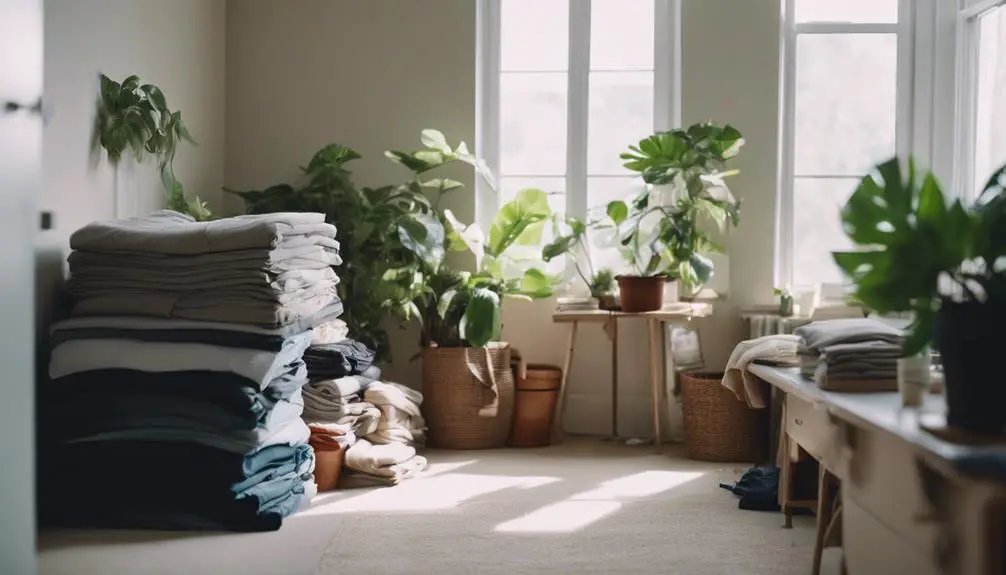
It seems you’ve come across this guide at a time when your home feels more chaotic than ever. Organizing may appear to be a daunting challenge, but it can be manageable. Recognizing your emotions and establishing achievable objectives will help you create a plan that addresses one room at a time.
As you gather the necessary supplies, such as bins, labels, and cleaning tools, and develop a routine, you’ll notice small successes along your journey.
A crucial next step in maintaining your motivation and ensuring progress is to break down tasks into smaller, more manageable pieces. For instance, instead of attempting to organize an entire room, focus on a specific area, like a single drawer or a corner of a room. This approach makes the task feel less overwhelming and allows you to celebrate each completed segment, reinforcing your commitment to the overall goal.
It’s also beneficial to establish a timeline for your organizing efforts. For example, dedicate 15 minutes each day to sorting through items, which can transform into a routine that feels less like a chore and more like a daily accomplishment.

Remember, consistency is key, and over time, these small efforts will culminate in a more organized and harmonious living space.
As you embark on this journey, consider using storage solutions such as clear bins for visibility and easy access or drawer dividers to keep items categorized. Embrace this process, and with each step, you’ll create a home that not only looks organized but also feels welcoming and functional.
Acknowledge Your Feelings
Feeling overwhelmed when faced with a cluttered home is a common experience. It’s essential to recognize and accept your feelings without criticism. Practicing self-compassion can be very helpful; remind yourself that feeling this way is natural and doesn’t determine your value as a person.
Seeking emotional support from friends or family can also ease your burden, so don’t hesitate to reach out to those you trust.
Engaging in mindfulness techniques can help you feel more grounded. Take a moment to breathe deeply, using techniques that promote relaxation. Visualize a calm, organized space and let that image serve as motivation.
Consider using journaling as a tool to better understand your emotions. Write about what specifically feels overwhelming and how you picture a more organized living environment.
Incorporating gratitude exercises into your daily routine can shift your focus. Think about what you appreciate about your current space and the possibilities you wish to create.
Utilize positive affirmations to strengthen your confidence in facing this challenge. Remember, managing stress is an ongoing process. With these strategies, you aren’t only organizing your home; you’re also reclaiming your peace of mind.
Set Realistic Goals
Setting realistic goals is crucial when you’re working on decluttering your home. Without these goals, feelings of being overwhelmed can arise, making it difficult to achieve the sense of freedom you desire.

Establishing clear and attainable milestones creates a constructive path that inspires action rather than causing stress.
Here are some practical tips to help you establish these realistic expectations:
- Start small: Concentrate on one room or area at a time. For example, if your living room is cluttered, focus solely on that space instead of trying to manage the entire house at once.
- Break it down: Split larger tasks into smaller, manageable steps. This could involve sorting through items in one corner of the room or organizing a particular shelf. For instance, tackle your books by categorizing them into keep, donate, or discard piles.
- Set a time limit: Designate a specific time frame for each task to help maintain focus and momentum. For example, set a timer for 30 minutes to sort through a drawer or closet.
- Celebrate progress: Recognize and appreciate your achievements, regardless of their size. Whether you organized a single shelf or cleared out an entire room, acknowledging these wins keeps motivation high.
- Adjust as needed: If a goal feels unattainable, feel free to modify it. Flexibility is essential in the decluttering process, as it allows you to adapt to your pace and circumstances.
Implementing these strategies will help you navigate your decluttering journey with clarity and purpose, ultimately leading to a more organized and serene living space.
Create a Plan
To address the disorder, a comprehensive plan is essential. Begin by defining specific objectives and determining which aspects require immediate attention. Next, manage your time effectively to ensure consistent advancement without becoming overwhelmed.

For instance, if clutter in your workspace is a major issue, set a clear goal to organize it within a week. Break this down into smaller tasks, such as sorting items by category each day. This method not only makes the process more manageable but also allows for a sense of accomplishment as you complete each task.
Consider using tools like a digital planner or an app that helps track your progress. These resources can keep you motivated and organized.
Establishing a routine can also provide structure, making it easier to maintain focus on your priorities.
Set Clear Goals
Before jumping into the whirlwind of organizing your home, it’s crucial to set specific goals. Clear goals provide a roadmap and help maintain focus throughout the process. Contemplate what you wish to accomplish and mentally picture those outcomes.

Having an accountability partner can enhance your motivation and keep you aligned with your objectives. Here are some practical suggestions for establishing clear goals:
- Identify which rooms require urgent attention.
- Determine the quantity of boxes or bags you aim to fill with items for donation.
- Create a timeline for completing each area, such as tackling one room each week.
- Recognize your personal organizational style to develop a system that suits your needs.
- Visualize the transformation of each space once it’s organized, and consider how that will impact your sense of freedom and tranquility.
Setting these goals not only streamlines your efforts but also ensures that each step you take brings you closer to a harmonious living environment.
Prioritize Areas First
Creating a structured plan is crucial when prioritizing areas in your home for better organization. Start by pinpointing what causes clutter in each room, such as piles of clothes, stacks of paperwork, or items that have been overlooked.
Focus on addressing the areas that cause you the most stress first; tackling these spaces can greatly alleviate mental burdens.

Recognize your emotional connections to certain items, but understand that it’s perfectly acceptable to part with things that no longer add value to your life. Implement useful decluttering techniques, such as the “one in, one out” rule or the Marie Kondo method, to help you make informed decisions about what to keep.
Incorporate organization approaches that embrace the advantages of minimalism. Fewer belongings lead to less anxiety and greater freedom in your living space.
Build a network of support with friends or family who can encourage and assist you throughout the organization process.
Cultivate sustainable habits that promote efficient use of space, ensuring that your newly organized home remains that way. As you change your perspective on belongings, remember that each small action contributes to a larger transformation.

Prioritizing effectively will help you find joy in your environment and create a space that embodies your desire for freedom.
Allocate Time Wisely
Organizing your home might seem like a daunting task, but with smart time allocation, the process can become much more manageable. Proper scheduling plays a crucial role in effective time management, so let’s break it down into straightforward steps.
- Set a timer: Select a specific duration, such as 30 minutes, to focus on a designated area. This creates a sense of urgency and helps you stay on track.
- Establish a daily goal: Concentrate on completing one task each day. This could range from decluttering a specific room to organizing a closet, allowing you to make steady progress without feeling overwhelmed.
- Prioritize your tasks: Make a list of areas that require your attention first. This way, you can focus on the most pressing issues and avoid wandering aimlessly through your home.
- Utilize time blocks: Assign specific segments of your day for organizing. Morning hours are often ideal, as you tend to have more energy and clarity at the beginning of the day.
- Maintain flexibility: Life can be unpredictable. Be prepared to adjust your schedule as necessary, and remember that it’s okay if things don’t go as planned.
Start With One Room
When feelings of being overwhelmed arise, start with one room to focus on. Determine which area requires your attention the most, and set a specific time limit to maintain your momentum.
This method allows you to manage the clutter without the sensation of being buried beneath it all. For example, if your living room is cluttered with items, dedicate 15 minutes to sorting through magazines and trash.
Once the time is up, take a break and assess your progress. This structured approach not only makes the task less daunting but also provides a sense of accomplishment as you see the transformation unfold.
Choose Your Priority Room
Feeling overwhelmed can make it hard to manage a cluttered home, so it’s important to concentrate your efforts. Start by selecting one room that requires your focus the most. This approach provides a specific target, which helps to minimize the stress of trying to handle everything simultaneously.
Here are some options to consider for your priority room:
- Living Room: Aim to create a space that invites relaxation and social interaction, making it a comfortable area for family and friends.
- Bedroom Organization: Work towards turning your bedroom into a serene haven, which can significantly improve your quality of sleep and overall well-being.
- Kitchen Storage: Focus on optimizing your kitchen’s organization to enhance efficiency, making meal preparation a more enjoyable experience.
- Kids’ Playroom: Design a fun and engaging area that’s also easy to tidy up, encouraging children to play and learn without creating chaos.
- Garage Cleanup: Tackle the clutter in your garage to improve organization and accessibility, turning it into a functional space for storage or hobbies.
Choosing a priority room not only streamlines your efforts but also sets a positive tone for other areas of your home.
Set a Time Limit
After you’ve chosen your priority room, it’s essential to take action by establishing a time limit for your organizing session. Setting a specific timeframe not only aids in managing your time effectively but also helps you stay focused and energized. Choose a duration that suits you—whether it’s thirty minutes, an hour, or whatever feels comfortable. The objective is to make it manageable, preventing feelings of overwhelm.

Once you’ve set your timer, dive straight into the task. Begin with a specific area, such as a drawer or a corner, and approach it with determination. Knowing that you have a limited amount of time instills a sense of urgency that can serve as a powerful motivator. This focused effort can also act as a great stress reliever. Witnessing tangible progress in a short span fuels your drive to continue.
For instance, if you decide to organize a cluttered drawer, clear everything out first and categorize items into keep, donate, and discard piles. Use storage bins or drawer organizers to maintain order. This method not only creates a tidy space but also brings clarity to the overall environment.
Gather Necessary Supplies
To effectively organize your house, it’s essential to gather the necessary supplies that will streamline the process. Having the appropriate tools will enable you to manage your time wisely and maintain motivation throughout the task.
Here is a practical list of items to consider:
- Cleaning supplies: Ensure you have all-purpose cleaners, microfiber cloths, and trash bags ready to tackle dirt and debris efficiently.
- Organizational tools: Seek out baskets, bins, and drawer organizers to ensure that everything has a designated spot, preventing clutter from accumulating.
- Storage solutions: Consider investing in shelving units or under-bed storage options to make the most of your available space.
- Labeling systems: Implement labels for your bins and boxes, which will facilitate easy identification and retrieval of items when needed.
- Donation bins: Designate containers for items you no longer need, simplifying the decluttering process and encouraging a more minimalist lifestyle.

With these supplies at your fingertips, you can arrange your furniture and create a welcoming atmosphere in your home.
It’s also beneficial to establish a cleaning checklist to guide your efforts and keep you organized. Gathering these essentials will prepare you to tackle the decluttering process with confidence and clarity.
Declutter by Categories
To begin the decluttering process, concentrate on one room at a time.
Use transparent bins to categorize items, which allows for easy visibility of what you own and what may no longer be necessary.

Regularly donating items that you no longer use not only helps to reduce clutter but also contributes to a more organized environment.
For example, you might find that clothing you haven’t worn in over a year could benefit someone in need.
This practice not only clears space but also fosters a sense of community and generosity.
Tackle One Room First
Begin by selecting a single room to concentrate on; attempting to organize your entire home at once can be daunting. This strategy simplifies the process and sets the stage for a satisfying transformation of that specific space. As you see the immediate results of your hard work, you’ll feel a sense of relief.

Adopting a minimalist mindset enables you to release items that hold emotional significance, allowing you to create a more open, clutter-free environment.
As you embark on this organizational journey, consider implementing these practical tools and cleaning techniques:
- Start with surfaces: Clear off tables, countertops, and shelves first to create an initial sense of order.
- Categorize items: Group similar items together to gain clarity on what you genuinely need.
- Involve your family: Make it an enjoyable project that fosters collaboration and teamwork.
- Designate a donation box: Quickly evaluate items and decide what can be donated without hesitation.
- Set a timer: Work in focused intervals to manage your time effectively and maintain momentum.
This methodical approach not only streamlines your efforts but also enhances your overall well-being as you create a more organized and peaceful living space.
Sort Into Clear Bins
Sorting your belongings into clear bins can create a more organized and visually appealing space. Begin by selecting bin sizes that suit your specific area and personal requirements. Opt for robust materials like plastic or fabric to ensure long-lasting use.

While you declutter, establish distinct categories—such as seasonal clothing, kitchen utensils, or sentimental items—to streamline your sorting process.
Implement an effective labeling system that’s easy to read. Using color-coded labels can simplify the identification of bin contents at a glance. For instance, assign blue labels for kitchen items and green for outdoor equipment. This method not only enhances your organizational efforts but also adds a lively touch to your storage solution.
It’s beneficial to maintain an inventory list for larger bins, as this will allow you to locate necessary items quickly without the hassle of searching through multiple containers.
This practice can save time and energy in the long run, making your organizing project more efficient and enjoyable.
Donate Unused Items Regularly
Regular donations of unused items can significantly lighten your burden and enhance the functionality of your living space. This decluttering practice not only creates more room but also supports those in need. Letting go of items that no longer benefit you brings a sense of relief.

Consider the following categories when preparing for your donation efforts:
- Clothing: Review your wardrobe and set aside any pieces that you haven’t worn in the past year. This helps you make room for items you’ll actually wear.
- Books: Share books you have read and don’t plan to revisit. This not only clears shelf space but also allows others to enjoy those stories.
- Electronics: Old gadgets that have become obsolete can find new life with someone else. Donate those devices instead of letting them collect dust.
- Household items: Identify duplicates or items that no longer fit your lifestyle, such as kitchenware or decor pieces that no longer serve a purpose.
- Toys: Consider parting with toys that your children have outgrown. This will create space for their evolving interests and new activities.
Setting a reminder to assess these categories every few months is beneficial. Making donations a regular part of your decluttering routine ensures a lighter home and promotes the simplicity that comes with living with less.
Use the Four-Box Method
When addressing the disorder in your home, employing the Four-Box Method can simplify the process into clear, actionable steps. This straightforward approach gives you the tools needed to regain control over your clutter.
Begin by collecting four boxes and labeling them as follows: Keep, Donate, Trash, and Maybe. As you navigate through your space, categorize each item by placing it into one of these boxes, according to its relevance and usefulness in your life.

Sorting items in this manner facilitates a direct pathway to liberation from excess belongings. The “Keep” box contains items that hold genuine significance for you, while the “Donate” box allows you to support others by parting with items you no longer require. The “Trash” box is reserved for items that have fulfilled their purpose and can’t be reused, whereas the “Maybe” box provides a space for items you’re uncertain about, allowing you to revisit them later without feeling rushed.
This method not only brings order to your living area but also reduces your emotional burden. Clearing away clutter fosters a serene atmosphere, enhancing your ability to relax and fully appreciate your surroundings.
Embrace the Four-Box Method and observe the transformation of your home into a more organized and peaceful space!
Decide What to Keep
When deciding what to keep, begin by assessing your requirements and how each item integrates into your daily life. Establish specific criteria to identify what’s genuinely necessary and what can be discarded.
It’s crucial to give precedence to sentimental items that carry significant emotional value, as these can enhance your living space and evoke cherished memories.
For instance, consider a family heirloom or a gift from a close friend; these objects often hold stories and connections that enrich your environment. Evaluate items based on their utility, emotional resonance, and the space they occupy. If an item no longer serves a purpose or brings you joy, it may be time to let it go.
Maintaining a clutter-free space can lead to improved mental clarity and a more organized lifestyle. Focus on the essentials while honoring the memories tied to your most valued possessions.
This thoughtful approach can transform your space into a more meaningful and functional area.
Assess Your Needs
Before starting the organizing process, it’s crucial to evaluate your needs and determine what items to retain. This step helps in crafting a space that genuinely mirrors your identity and values.
Begin by identifying the factors that contribute to clutter and examine your habits regarding how you utilize your spaces. Take the time to articulate your values and explore your reasons for holding onto specific belongings.
Consider these important aspects:
- Assess spaces: Review each room to identify what’s working effectively and what’s not. For example, a cluttered kitchen may indicate that utensils and appliances need better organization or removal.
- Evaluate habits: Observe your routines to understand how often and in what manner you interact with various items and areas. If you find that you consistently bypass certain books on your shelf, it might be time to consider if they truly belong there.
- Determine priorities: Identify what holds the most significance in your life. Focus on retaining those items that bring you joy or serve an essential function, such as a cherished family photograph or a reliable tool you use frequently.
- Define values: Clarifying what truly matters to you will assist in making decisions about what to keep. If sustainability is a priority, consider keeping items that are eco-friendly or have a minimal environmental impact.
- Analyze routines: Reflect on your daily activities to understand which items align with your lifestyle. For example, if you enjoy cooking, ensure that your kitchen is stocked with essential cookware and gadgets that facilitate this passion.
Taking these steps will lead to a more organized, functional, and personalized space that enhances your daily life.
Set Clear Criteria
To effectively declutter your space, establishing clear criteria for what to keep is essential. This proactive step allows you to take charge of your environment, shaping it to reflect your true self.
Begin by identifying criteria that align with your lifestyle. Evaluate each item based on its purpose or the joy it brings you. If an item fails to meet these standards, it’s time to part ways with it.
Consider utilizing the “One-Year Rule” as a practical method: if you haven’t used an item in the past year, it’s unlikely you’ll need it moving forward. Additionally, assess your available storage space. Can you realistically store this item without it contributing to clutter again?
Honesty is crucial in this process. Items that lack practical value or emotional significance should be set aside.
This journey isn’t solely about clearing your home; it’s also about liberating your mind and spirit. Following these criteria will lead to clarity and a sense of freedom within your surroundings.
The ultimate aim is to cultivate a space that enhances your life rather than weighs it down.
Prioritize Sentimental Items
When evaluating your belongings, it’s crucial to focus on sentimental items. These objects often hold deep emotional significance and play a vital role in preserving your personal history. However, the emotional attachment to these items can complicate the decision-making process. Here are some ways to approach this task:
- Family Heirlooms: Items that have been handed down through generations often bear immense sentimental value. They connect you to your ancestry and can serve as a tangible reminder of your family’s legacy.
- Meaningful Keepsakes: Consider gifts or mementos that bring back vivid memories. For instance, a bracelet from a close friend or a ticket stub from a memorable concert can evoke feelings tied to those experiences.
- Nostalgia Factors: Reflect on items that transport you back to special moments in your life. A childhood toy or a photo album can serve as a bridge to cherished times, providing comfort and joy.
- Item Significance: Assess the importance of each item in your current life. Determine whether it still holds relevance or if it’s time to let go. This can help clarify your emotional connection to each piece.
- Memory Preservation: Decide whether keeping the physical item enhances your emotional well-being or if capturing it through photographs would be sufficient. Sometimes, a digital representation can preserve memories without the need to retain the physical object.
Organize Items Neatly
Organizing items neatly can significantly enhance your space, making it feel more manageable and less chaotic. When every item has its own designated location, it becomes easier to navigate your surroundings without experiencing overwhelm.
Begin the process by collecting essential organizing supplies—bins, baskets, and labels are crucial tools in this endeavor.
Examine the different categories of items you possess and think about effective storage solutions tailored to each. For example, utilizing clear bins allows for quick visibility of contents, and labeling these bins can save you valuable time when searching for specific items.
For smaller objects, drawer organizers can be particularly beneficial, as they keep everything sorted and prevent clutter from accumulating.
Consider maximizing vertical space in your area; installing wall shelves or hooks can clear up valuable countertop and floor space. This strategy not only contributes to a more open environment but also simplifies cleaning tasks.
As you embark on your organizing journey, trust your instincts and avoid overthinking the process. When your items are stored neatly, it becomes easier to maintain a sense of order, allowing you to concentrate on what truly matters in your life.
Embracing organization can lead to a more peaceful and productive daily experience, ultimately enhancing your overall quality of life.
Implement a Sorting System
With your items organized neatly, the next step is to set up an efficient sorting system that simplifies maintaining order. Effective categorization transforms chaos into tranquility, enabling you to locate what you need swiftly without rummaging through cluttered spaces.
Here are some sorting techniques to help you get started:
- Keep, Toss, Donate: Take a moment to make quick decisions about what to keep, what to discard, and what can be given away to others who may need it.
- Room by Room: Concentrate on one room at a time. This method helps to avoid feelings of being overwhelmed and allows for focused efforts in each space.
- Function-Based: Organize items according to their use. For instance, group kitchen utensils together, gather office supplies in one spot, and segregate materials related to your hobbies.
- Seasonal Categories: Sort items based on the seasons. This approach simplifies access to seasonal decorations or clothing, ensuring you can find what you need when the time arises.
- Digital vs. Physical: Distinguish between digital files and physical items. This separation aids in decluttering both your physical environment and your digital landscape, promoting efficiency in both areas.
Implementing these sorting techniques won’t only streamline your belongings but also create a more pleasant living space.
Create Storage Solutions
Maximizing space while ensuring your belongings are easily accessible is essential for maintaining an organized home. Start by pinpointing areas in your living space that require better organization, such as under the bed, closets, or unused corners.
Utilize creative storage solutions like baskets, bins, or stackable boxes to convert these areas into practical storage options. Incorporate space-saving elements such as wall-mounted shelves or hooks, which can help free up floor space while keeping items readily available.
Transparent containers for smaller items allow you to quickly identify what’s inside, making retrieval a breeze. Additionally, take advantage of vertical space; tall shelving units can accommodate more items without occupying much ground area.
Labeling your containers is crucial for ensuring that everyone knows where items belong. This practice not only maintains a tidy environment but also simplifies the process of locating what you need without sifting through clutter.
The aim is to cultivate a living space that feels open and accessible. Implementing these storage strategies won’t only declutter your home but also enhance your mental clarity, enabling you to appreciate your surroundings more fully.
Embrace the benefits of an organized lifestyle!
Tackle Paper Clutter
Paper clutter can easily take over any area, but addressing it doesn’t have to be daunting. Start with a focus on sorting through your paperwork. Prioritize essential items such as bills, important documents, and anything else necessary to keep. Establish a straightforward filing system to categorize these items for easy future access.
Here’s a practical guide to assist you:
- Mail management: Sort your mail every day to avoid accumulation. Consider using a dedicated space for incoming mail, such as a small basket or tray, to keep everything organized.
- Document organization: Utilize labeled folders for straightforward retrieval. For instance, create separate folders for medical records, tax documents, and household bills.
- Digital backups: Scan important documents and save them on your computer or a reliable cloud service like Google Drive or Dropbox. This protects against loss and frees up physical space.
- Shredding services: Safely dispose of sensitive information. Look for local shredding services or consider investing in a personal shredder if you have a large volume of paperwork to destroy.
- Recycling options: Be mindful to recycle papers you no longer need. Many municipalities have specific recycling programs for paper waste.
As you tackle your paper clutter, remember that a tidy workspace is vital for fostering a calm atmosphere. Keep essential office supplies within reach and eliminate anything unnecessary.
Implementing these strategies will help you reclaim your space and provide a sense of relief that comes with an organized home. Embrace the process, and enjoy the clarity that follows!
Involve Family Members
Involving your family in the organizing process significantly aids in managing clutter. When everyone contributes, the workload feels lighter, and the space becomes more liberating.
Start by assigning roles based on each person’s strengths and interests. This approach makes it easier and more enjoyable to delegate tasks. Hold family meetings to address the clutter and brainstorm ways to encourage everyone’s input.
Utilizing group motivation can energize your organization efforts. Collaborative sorting can transform a daunting task into a fun activity, allowing each family member to share their thoughts on what items should be kept or discarded.
When responsibilities are shared, it fosters a sense of ownership, leading to greater investment in maintaining the space. Encouraging open communication about what each family member values is essential.
This practice ensures that everyone’s needs are acknowledged, which can reduce resistance during the decluttering process. As you collaborate, take time to celebrate small accomplishments to keep morale high.
Organizing shouldn’t feel like a burden; instead, it can serve as a bonding experience that results in a more orderly and enjoyable living environment. Embrace this journey with your family, and watch how the clutter transforms into a well-organized home.
Set Time Limits
Establishing time limits can significantly improve your ability to manage clutter. Setting specific time frames for each task makes the process more approachable and less daunting. This method enhances your time management skills and fosters a sense of achievement, which can help alleviate stress.
Here are some practical tips for setting effective time limits:
- Select a realistic duration: Begin with 15-30 minutes, particularly if you’re new to the organization process. This ensures you don’t become overwhelmed.
- Concentrate on one area: Focus on a single room or even a small corner to prevent feelings of being overwhelmed by the task at hand.
- Utilize a timer: Activate a timer on your phone to keep yourself accountable and maintain your focus on the task.
- Incorporate breaks: After each session, take a brief break to recharge your energy and maintain productivity.
- Acknowledge small victories: Recognize your progress, no matter how minor, to sustain your motivation throughout the organizing journey.
Implementing these strategies can transform your approach to decluttering, making it a more structured and fulfilling experience.
Maintain a Daily Routine
Creating a daily routine can significantly enhance the organization you’ve achieved. Establishing consistent morning habits sets a positive tone for the day ahead. Each morning, start with a quick tidy-up—make your bed, put away dishes, or declutter your workspace. Engaging in these small tasks fosters a sense of control and freedom from the moment you rise.
Allocate a few minutes to plan your day as well. Write down the tasks that require your attention and prioritize them based on their importance. This process helps clear your mind, enabling you to focus on what you enjoy without the distractions of an untidy environment.
As the day comes to a close, recognize the value of evening routines. Spend time reflecting on your day and adjust anything that didn’t work as planned.
Dedicate a few moments to tidy up once more, ensuring everything is in its place for the next day. This practice not only maintains an organized space but also nurtures a feeling of calm and readiness for what lies ahead.
Celebrate Small Wins
Organizing your home can seem like a daunting task, but taking time to celebrate small accomplishments can significantly enhance your motivation and overall mood.
After completing each task, pause for a moment to reflect mindfully. Recognizing your progress, no matter how minor it may appear, reinforces a positive mindset and helps maintain your focus and energy throughout the organizing journey.
Consider these practical ways to acknowledge your achievements:
- Reward yourself with a favorite snack after successfully decluttering a room. This not only satisfies your cravings but also reinforces the effort you put into the task.
- Share your accomplishments with a friend or family member. Their encouragement can provide additional motivation and support as you continue your organizing efforts.
- Dedicate time to relax and engage in a hobby you enjoy after reaching a milestone. This helps balance work and leisure, ensuring you don’t burn out.
- Create a visual progress chart where you can check off completed tasks. This serves as a motivating reminder of how much you have accomplished.
- Take a moment to express gratitude for the organized space you’re creating. Recognizing the benefits of your hard work can inspire you to keep going.
Each of these suggestions can foster a sense of achievement and make the organizing process feel more rewarding.
Evaluate and Adjust Plans
Plans occasionally require adjustments to remain effective, particularly when organizing your home. Life can be unpredictable, which is perfectly normal.
Begin by reflecting on your current strategies to determine what’s effective and what needs improvement. Consider whether your approach aligns with your goals for achieving a more organized living space.
If you encounter feelings of stagnation or overwhelm, it’s important to make changes. Embrace adaptability as a valuable tool in this process. One effective method is to break down larger tasks into smaller, manageable steps that integrate seamlessly into your daily routine.
For example, if the thought of decluttering an entire room seems daunting, concentrate on one corner or a specific category, such as clothing or books, at a time.
Regularly assess your progress. Are you experiencing a greater sense of freedom in your space? If not, it may be necessary to revise your approach once more.
Creating an environment that embodies freedom rather than chaos is essential. Embrace the organizing journey as a fluid process that evolves rather than a strict checklist.
The ultimate goal is to cultivate a space that inspires you and brings you joy. Through ongoing evaluation and adjustments, you’ll discover a rhythm that feels right for you.
Maintain flexibility, and allow your creativity to guide your efforts!
Conclusion
As you embark on this organizing journey, remember that each small step you take is a victory in the larger process of decluttering. Embrace your progress, regardless of how insignificant it may appear, and maintain realistic goals. Acknowledging your emotions and celebrating these small achievements can significantly change your home into a serene and organized environment. So, prepare yourself, take a calming breath, and let the organization commence!
To start, create a dedicated space for your organizing efforts. This could be a room, a corner of a room, or even a specific area in your garage. A clear and defined workspace allows you to focus your energy and helps prevent feeling overwhelmed.
Next, choose one area or category to tackle at a time. For example, you might start with your closet. Remove all items from the space, and evaluate each piece of clothing. Ask yourself if you truly wear it or if it brings you joy. If not, consider donating or discarding it. Remember, decluttering not only frees up space but also contributes to a more peaceful mind.
Incorporate storage solutions that suit your needs. For instance, clear bins can help you organize items by category, while shelving units can maximize vertical space. Products like drawer organizers or under-bed storage containers can also assist in keeping things tidy and accessible.
Lastly, maintain your organized space by establishing a routine. Set aside a few minutes each week to reassess and tidy up areas that may have become cluttered. This will help you foster a lasting state of order in your home, making the process feel less daunting and more manageable in the long run.
