
Have you ever considered the impact of your folding technique on the longevity of your favorite clothes? Understanding how to properly fold different clothing materials can significantly affect how they look and last over time. Taking into consideration the specific needs of each fabric type when folding can ensure that your garments stay in top condition for longer periods.
So, what are the best practices for folding fabrics like denim, linen, and cashmere? Let’s explore the optimal techniques for folding various clothing materials to maintain the quality of your wardrobe.
Cotton
When folding cotton clothing items, it’s important to smooth out any wrinkles to maintain their shape and prevent creases. Proper folding techniques are key to keeping your garments looking fresh and wrinkle-free.
Lay the cotton item flat on a clean surface, gently smoothing out any wrinkles. Then, fold the sleeves inwards and fold the garment in half lengthwise. To finish, fold it into thirds or quarters, depending on the item’s size, for easy storage.

Organizing your cotton items in the closet can also help preserve their quality. Consider using breathable cotton garment bags or cotton-lined storage bins to protect your clothing from dust and moisture. Hanging cotton items on padded hangers can also help them keep their shape and avoid wrinkles.
Silk

To properly fold silk clothing items, gently lay the garment flat on a clean surface to avoid creasing delicate fibers. Silk care requires gentle handling to maintain the fabric’s luxurious feel and appearance. When folding silk garments like blouses, dresses, or scarves, handle them with care to prevent snags or damage. Smooth out any wrinkles by lightly pressing the silk item between your hands before folding.
For silk storage, it’s crucial to prevent wrinkles that can be challenging to remove. When storing silk clothing, consider hanging them on padded hangers to help preserve their shape and prevent creases.
Alternatively, you can carefully fold silk items and store them in breathable garment bags to shield them from dust and light exposure.
Wool

When it comes to wool, understanding the basics of wool care is crucial. Knowing how to properly fold wool sweaters to prevent stretching and maintain their shape is essential.
Additionally, storing wool items correctly can help preserve their quality and longevity. To care for your wool garments, unravel the mysteries of wool care by exploring the best practices for folding and storing them.
Picture yourself in front of a mirror, carefully folding your wool sweaters to keep them in top condition. Let’s delve into the importance of proper wool care to ensure that your favorite wool items last for years to come.
Wool Care Basics
Caring for wool garments requires specific steps to maintain their quality and longevity. Wool is a delicate fabric that needs gentle treatment to avoid shrinking and preserve its softness.
When washing wool items, it’s essential to use cold water and a mild detergent to protect the fibers. After washing, lay the garments flat to dry instead of hanging them to prevent stretching or misshaping.
When ironing wool, use a low heat setting and steam to remove wrinkles without causing damage.
To summarize the basics of wool care, refer to the following guidelines:
- Preventing Wool Shrinking: Use cold water for washing.
- Proper Wool Washing: Opt for a mild detergent.
- Effective Wool Drying: Lay the garment flat to dry and avoid hanging.
Folding Wool Sweaters
When folding wool sweaters, it’s important to lay them flat on a clean surface to maintain their shape and prevent wrinkles. Start by buttoning up any buttons and gently smoothing out wrinkles.
Fold the sleeves towards the back, ensuring they align neatly with the sweater’s body. Then, fold one side towards the center, followed by the sleeve, and repeat on the other side to prevent stretching and preserve the sweater’s integrity.
To keep your wool sweaters organized, consider arranging them by color or type for easy access. Avoid hanging wool sweaters as their weight can cause them to stretch out of shape.
These folding techniques and organization tips will help your sweaters stay in excellent condition and ready to wear whenever you need them.
Storing Wool Items
To maintain the quality of your wool items, it’s essential to follow proper storage techniques. Here are some tips to prevent moth damage and preserve your woolens:
1. Freshen Up and Clean:
Before storing your wool items, ensure they’re clean and completely dry. Hang them outside for a while to air out any odors and gently brush them to remove dust or debris that may attract moths.
2. Choose Sealed Containers:
Opt for airtight containers or vacuum-sealed bags to store your woolens. These containers will shield your wool items from moisture and insects that could harm them.
3. Natural Repellents:
Consider using natural moth repellents like cedar balls or lavender sachets in your storage containers. These remedies can help keep moths at bay and maintain a fresh scent for your woolens.
Polyester
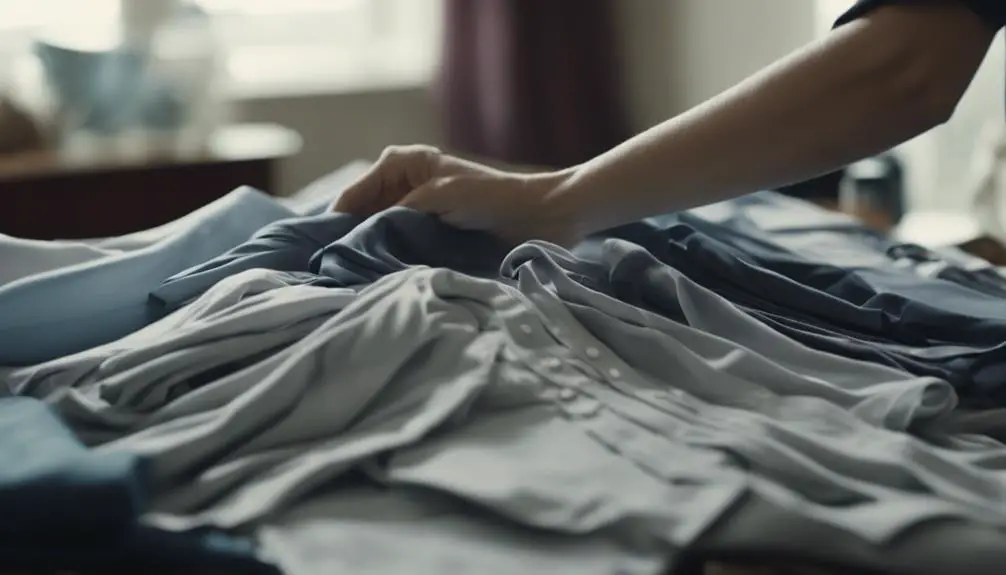
When folding polyester clothing items, it’s essential to smooth out any wrinkles before beginning the folding process. Polyester is a durable and low-maintenance material, but using proper folding techniques is crucial to ensure your garments stay neat and wrinkle-free.
To fold polyester items effectively, start by laying them flat on a clean surface and gently smoothing out any creases with your hands. Begin by folding the sleeves or pant legs towards the center, then fold the garment in half lengthwise. Finally, fold it in thirds or quarters, depending on the item’s size, to store it neatly.
For optimal care, store polyester clothing in a cool, dry place away from direct sunlight to prevent fading. To avoid wrinkles, consider hanging polyester items on hangers whenever possible or using storage solutions like garment bags to protect them from creases.
Regularly shaking out and smoothing your polyester garments before wearing or storing them can also help prevent wrinkles. By following these tips for caring for polyester and utilizing smart storage solutions, you can maintain the quality and appearance of your polyester clothing for a longer period.
Linen
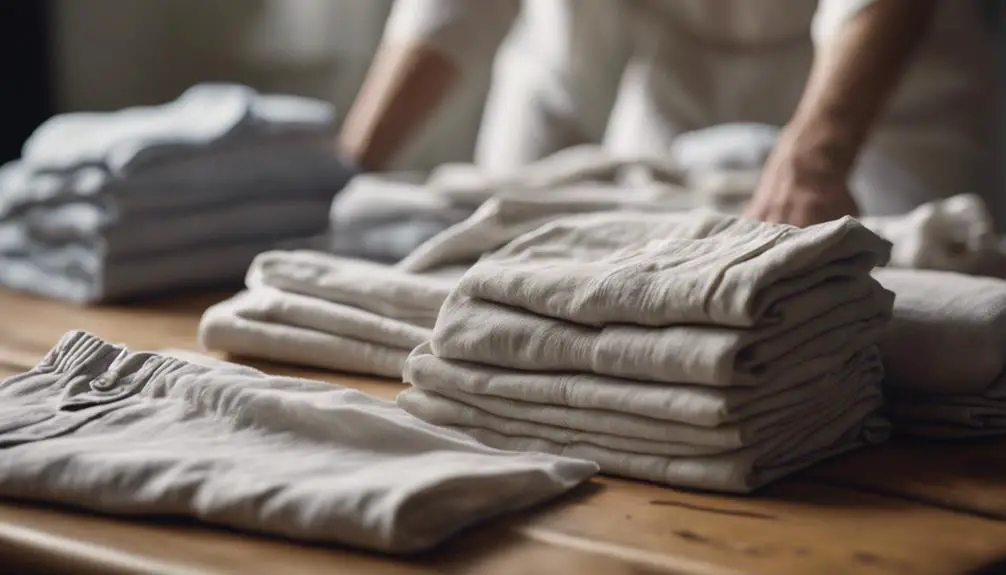
When caring for linen clothing items, it’s important to consider the fabric’s natural tendency to wrinkle easily.
To help you better care for your linen pieces, here are some essential tips and techniques:
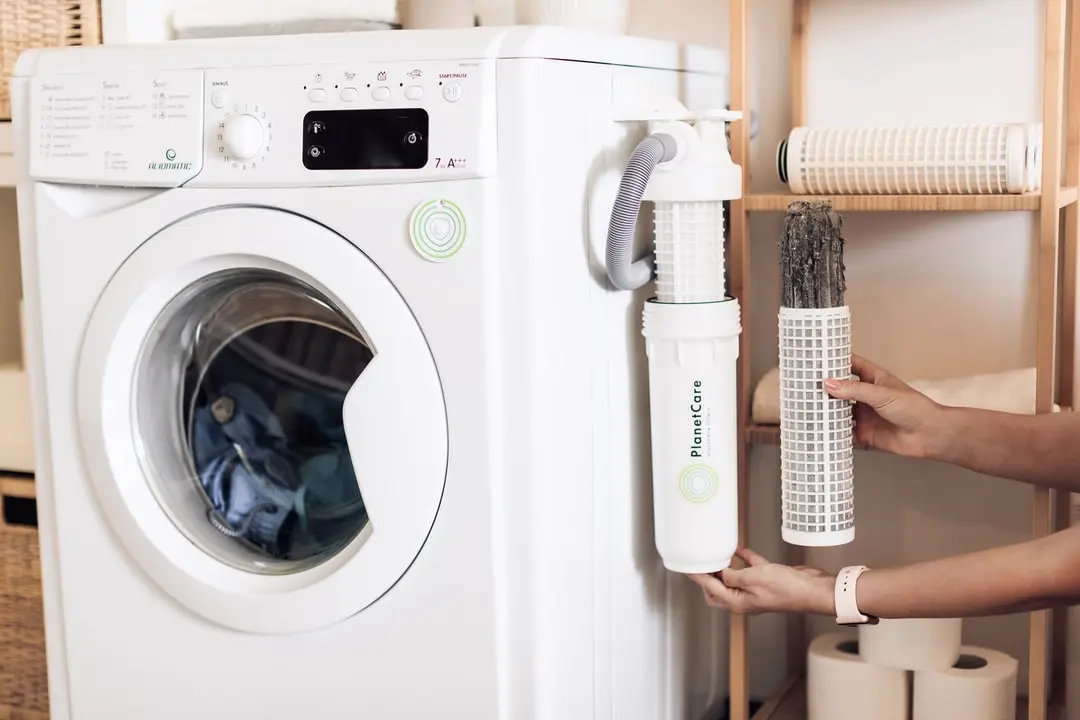
1. Linen care recommendations:
When washing your linen garments, opt for a gentle cycle with cold water to prevent excessive wrinkling. Avoid over-drying in the machine as it can cause deep creases. Instead, hang your linen items to partially dry and then lay them flat for a smoother finish.
2. Ironing guidance:
For effective ironing of linen, ensure the fabric is slightly damp. Set your iron to the linen setting and work in small sections to remove wrinkles. For stubborn creases, use a steam iron or place a damp cloth between the linen and the iron to help smooth out wrinkles effectively.
3. Storing linen suggestions:
When folding linen tablecloths, start by laying them flat on a clean surface to minimize wrinkles. Neatly fold them to avoid deep creases and store them in a cool, dry place to maintain their freshness until their next use.
Denim
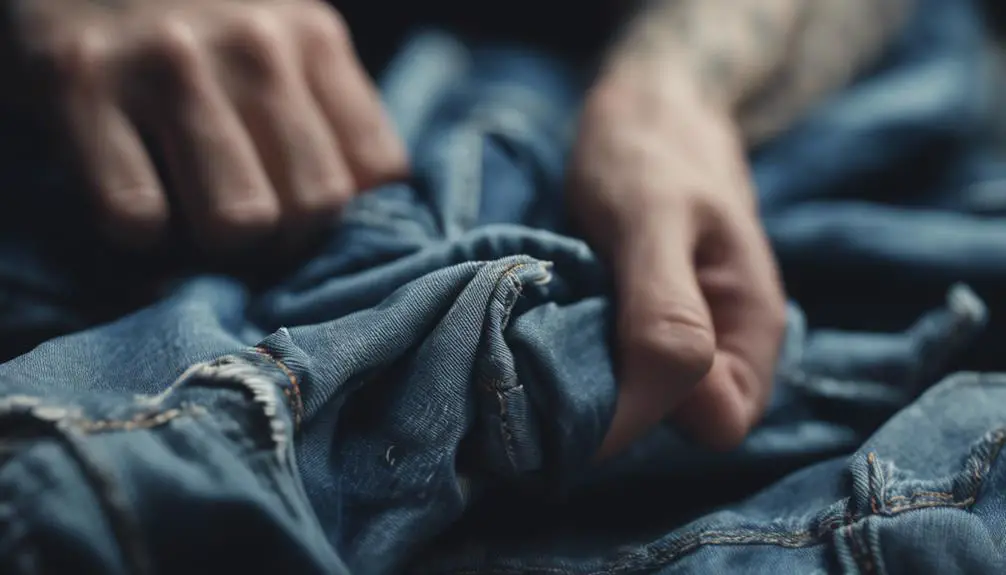
When it comes to denim clothing, proper folding is essential due to its durable fabric and tendency to crease. To maintain the pristine look of your denim pieces, try out these handy folding techniques and storage tips.
When folding denim jeans, start by laying them flat and smoothing out any wrinkles. Cross one leg over the other, then fold the crotch area down towards the waistband. After that, fold the jeans in half neatly to create a square shape.

As for denim jackets or shirts, button them up and fold the sleeves inward before folding in half.
To ensure the longevity of your denim, avoid hanging it for extended periods as it may cause stretching. Instead, opt for storage solutions like shelves or drawers to preserve the fabric’s quality. For easy access, organize your denim pieces by color or style.
These care methods and organizing strategies won’t only help keep your denim garments in top condition but also streamline your dressing routine.
Nylon
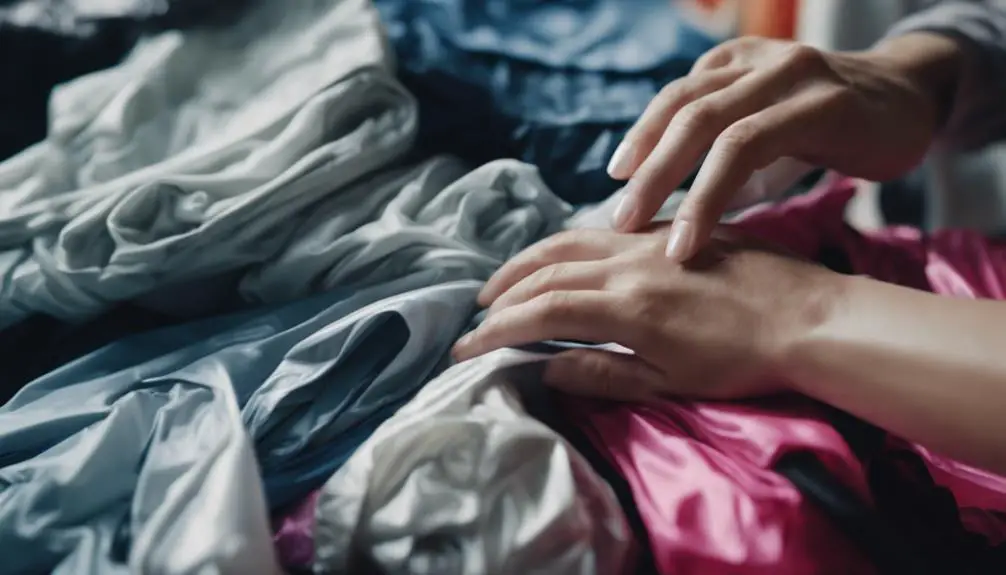
When folding nylon clothing items, it’s important to handle them gently to prevent creases or damage to the fabric.
To properly care for nylon pieces, wash them in cold water and avoid using bleach or fabric softener.
When storing nylon garments, choose breathable containers or hangers to avoid moisture buildup and help them maintain their shape.
Nylon Folding Techniques
When folding nylon clothing items, it’s essential to start by smoothing out any wrinkles to ensure a clean fold. Nylon is known for its durability and flexibility, making it a popular choice for activewear and outdoor gear.
Here are three key techniques for folding nylon items effectively:
- Handle with Care: Due to nylon’s delicate nature, it’s important to treat the fabric gently to prevent stretching or snagging.
- Avoid Sharp Folds: Steer clear of creating sharp creases when folding nylon garments, as they can leave permanent marks on the fabric.
- Use Tissue Paper: Insert tissue paper between folds to prevent the fabric from sticking together and help maintain the garment’s shape.
Understanding the differences between nylon and polyester is crucial for proper care. Nylon is more robust than polyester and offers better resistance to abrasion, making it ideal for high-traffic items like backpacks or luggage.
On the other hand, polyester is known for its wrinkle resistance and ability to retain its shape well, making it a popular choice for formal attire.
Care Tips for Nylon
To ensure your nylon clothing lasts for a long time and maintains its quality, it’s important to handle it with care. Nylon is renowned for its durability, making it a popular choice for a variety of garments.
To keep your nylon items in top condition, follow these simple care tips.
Nylon’s robust nature means it can withstand a lot, but it still requires proper care to preserve its quality. When washing nylon pieces, opt for a gentle cycle using cold water to avoid any stretching or damage to the fabric. Avoid the use of bleach, as it can weaken the fibers and shorten the lifespan of your garment.
One of the benefits of nylon is its resistance to stains, but it’s crucial to tackle any stains promptly to prevent them from setting. Blot stains with a mild detergent or stain remover before washing the garment as usual.
When drying nylon clothing, steer clear of high heat, which can lead to shrinkage or damage. Instead, choose low heat or air drying methods to maintain the fabric’s integrity.
Storage Solutions for Nylon
Properly storing your nylon clothing is crucial to preserving its quality and extending its lifespan. Caring for nylon fabric and how you store your garments are key factors in ensuring your nylon items remain in top condition.
Here are three effective storage solutions for nylon:
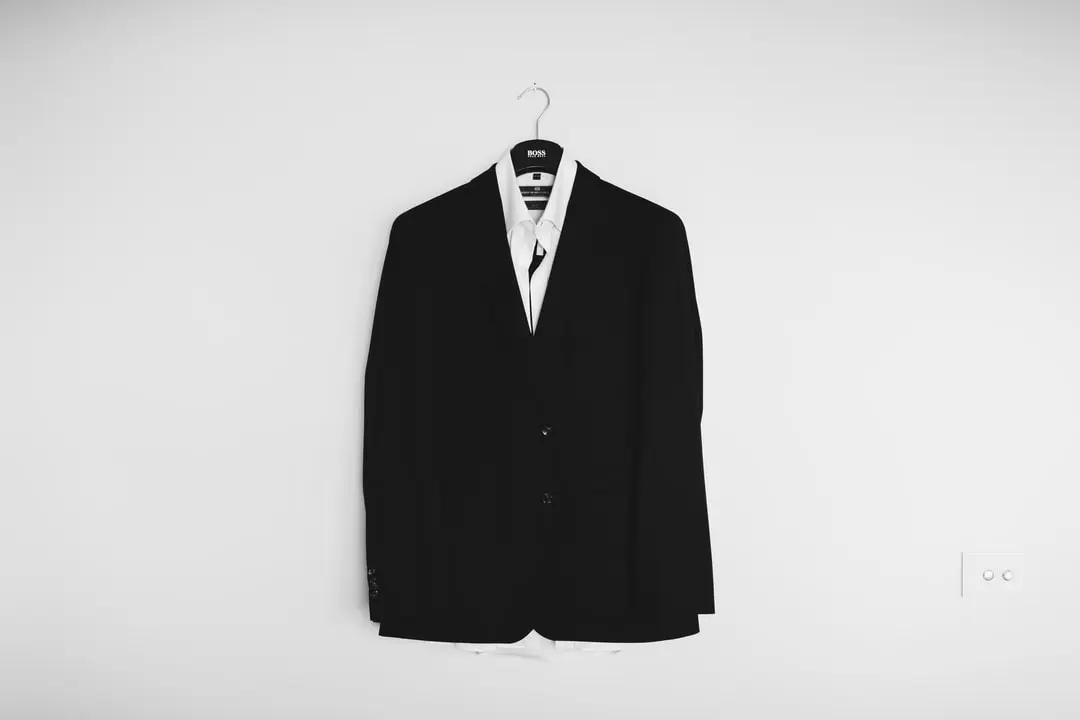
- Hang Your Nylon Clothing: Hanging your nylon garments in a well-ventilated closet is a great way to prevent wrinkles and maintain their shape. Opt for padded hangers to prevent any stretching of the fabric.
- Neatly Fold Your Nylon Items: When folding nylon pieces, be gentle to avoid creases and fold them along the seams. Store neatly folded nylon items in drawers or on shelves to keep them organized and easily accessible.
- Protect from Sunlight: Direct sunlight can damage nylon fabric over time. Store your nylon clothing in a dark and cool place to prevent colors from fading and maintain the material’s integrity.
Cashmere

To maintain the softness and shape of your cashmere garments, it’s best to gently fold them instead of hanging, which can stretch out the delicate fibers. Cashmere is a luxurious fabric that requires special care for longevity. Neatly folding your cashmere sweaters, scarves, and shawls will help prevent wrinkles and preserve their pristine condition.
Here are some useful tips for caring for your cashmere pieces:
- Hand Wash: When washing cashmere items, opt for a gentle hand wash using a mild detergent. Avoid harsh chemicals or bleach that can harm the delicate fibers.
- Dry Flat: Lay cashmere garments flat to dry to maintain their shape. Avoid wringing or twisting the fabric, as this can distort its structure.
- Store Properly: Store cashmere items in breathable cotton bags or containers to protect them. Keep them away from direct sunlight and damp areas to prevent any damage.
Taking these steps will help you enjoy your cashmere pieces for years to come, ensuring they stay soft, cozy, and in excellent condition.
Conclusion
Once you’ve honed your skills in folding laundry for various clothing materials, remember that practice is key to perfection! So don’t give up just yet – maintain your clothes’ crispness and smoothness with these helpful tips and techniques.
Remember, a little effort now saves you a lot of time later. Keep folding with a smile!
