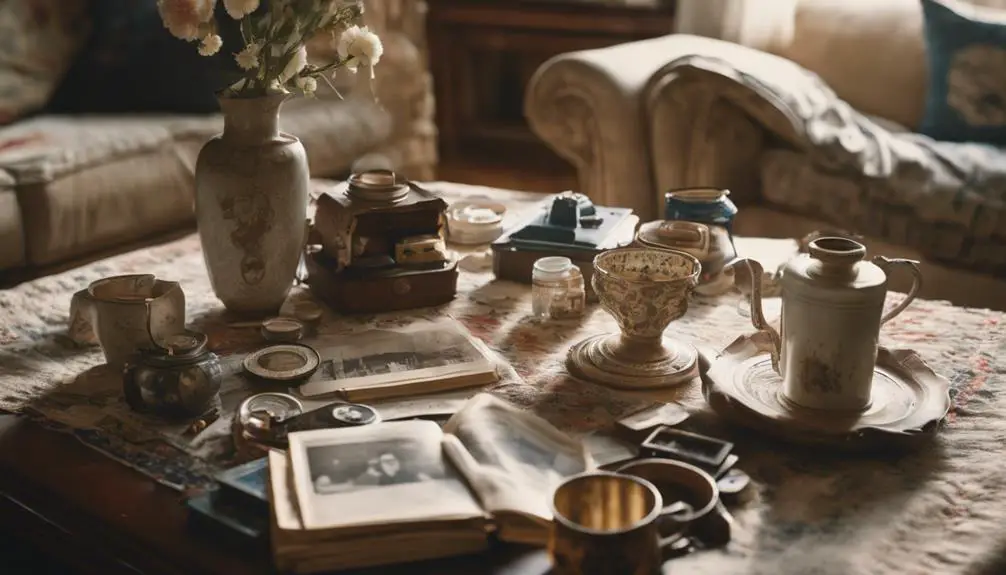
Is it true that keeping family heirlooms is crucial for safeguarding your family’s history? While these objects often stir deep emotions and memories, you may find yourself reassessing their significance in your life today.
Parting with them can feel daunting, but it can also present an opportunity to reshape your relationship with the past. Balancing the act of honoring your family’s legacy while creating space for your own goals is essential. This understanding can foster a more meaningful connection with your possessions.
For instance, consider a grandmother’s quilt that has been passed down through generations. While it holds sentimental value, you may realize that it no longer fits your current style or lifestyle.
Instead of discarding it entirely, you could repurpose it into a decorative item or a cozy throw for your couch. This way, you honor the memory associated with the quilt while adapting it to suit your personal space.

Ultimately, embracing change can lead to a healthier relationship with your belongings, allowing you to cherish the memories while also making room for new experiences and aspirations.
Understanding Sentimental Value
When it comes to family heirlooms, many individuals wrestle with their sentimental significance. Each time you handle a cherished item from your past, it can trigger a deep emotional connection. These possessions often encapsulate stories, memories, and feelings that render them irreplaceable.
Reflecting on the preservation of memories, it’s essential to understand how these heirlooms embody your family’s history and culture. They act as tangible reminders of loved ones who’ve influenced your life and signify the roots from which you originate.
However, it’s crucial to assess the emotional weight of these items thoughtfully. Do these heirlooms truly enhance your life, or are they merely taking up space? Gaining clarity in your decision-making process can lead to a more organized and freeing living space.
You aren’t obligated to keep every item simply because it holds sentimental value. Concentrate on the pieces that genuinely evoke joy and connection, allowing you to safeguard those treasured memories without feeling burdened.
This way, you can curate a collection that resonates with your personal history while respecting your family’s legacy. Ultimately, the focus should remain on what truly benefits your current life.
The Burden of Heirlooms
Often, heirlooms can feel more like a burden than a blessing. Intended to symbolize family legacy and cultural heritage, they can weigh heavily on your sense of self. The expectation to preserve these items may overshadow the emotional healing you seek. Instead of bringing joy, they might evoke feelings of obligation or guilt, making you feel trapped by the past.
Consider the following aspects:
- Preserving heirlooms can be daunting, especially when space is limited.
- Family relationships may become strained when you’re compelled to keep items that hold no personal value.
- Nostalgic ties can transform into burdens, tethering you to regret rather than fond memories.
- The narratives associated with heirlooms can shift from cherished recollections to burdensome accounts.

You deserve the liberty to shape your surroundings in a way that reflects your personal journey. The wisdom passed down through generations should inspire growth rather than feel like a weight on your shoulders.
Letting go of certain heirlooms doesn’t erase your history; instead, it enables you to cultivate a space that embodies who you’re today, not who you once were. Embrace the concept that honoring your family’s legacy sometimes means selecting only those items that truly resonate with your current self.
For instance, if you have a set of china that you don’t use, consider donating it to someone who’ll appreciate it. This action not only frees up space but also allows you to share your family’s history with new people.
Alternatively, if you have a beautiful quilt made by a relative but don’t have room to display it, think about taking a photograph of it. This way, you preserve the memory without holding onto the physical item.
Your environment should reflect your life today, celebrating your journey and the choices you’ve made.
Assessing Emotional Attachment
When reflecting on family heirlooms, it’s crucial to recognize your emotional connection to each piece.
Consider how these items relate to your family’s history and the narratives they embody. Each heirloom may carry significant memories, such as a grandmother’s necklace that has been passed down through generations, symbolizing love and resilience.
Think about whether these treasures will hold the same importance for future generations. The stories attached to these items, like a grandfather’s watch that tells tales of hard work and dedication, can shape their appreciation and understanding of family heritage.
Ultimately, assessing the sentimental value of heirlooms not only honors the past but also fosters a sense of belonging for those who come after you.
Understanding Personal Sentiment
Deciding whether to part with family heirlooms can evoke a mix of emotions. You may find yourself reflecting on treasured memories while also considering your current lifestyle. It’s crucial to acknowledge the sentimental value of these items, but equally important is to evaluate how they align with your desire for freedom and space in your life.
Consider the following aspects:
- Connection to the Past: Think about the narratives associated with each heirloom. Are they meaningful to you, or do they merely serve as reminders of someone else’s experiences?
- Practicality: Assess whether these items have a functional role in your home or if they simply occupy space without purpose.
- Emotional Weight: Determine if these heirlooms bring warmth to your heart or if they feel burdensome and like a chore to maintain.
- Right to Choose: It’s essential to prioritize your own happiness and well-being, even if it means letting go of something that feels obligatory.
Ultimately, the decision is yours to make regarding what brings you joy.
Letting go of certain items can be a significant step toward creating a more liberated and fulfilling life, free from the constraints of the past.
Embracing change can lead to a brighter future where you curate your surroundings to reflect your current self and aspirations.
Evaluating Family History
Understanding your family history can significantly affect your emotional connection to heirlooms. When you engage in family storytelling, you reveal rich narratives that bring to life objects passed down through generations. These narratives can highlight the importance of items, enhancing your appreciation of your heritage and strengthening ties to your ancestors.
As you examine your legacy, reflect on which elements of your personal history resonate with you. Certain heirlooms may trigger memories of treasured moments or embody values you wish to uphold. Assessing these emotions enables you to identify which items genuinely matter to you and which may feel burdensome.

For instance, a grandmother’s quilt may not only provide warmth but also serve as a tangible reminder of family gatherings and love.
Similarly, a grandfather’s watch could symbolize resilience and the importance of time spent with loved ones. By recognizing the stories behind these heirlooms, you can better appreciate their significance in your life and decide how to honor their legacy effectively.
Considering Future Generations
Heirlooms can create profound emotional connections, not only for you but also for future generations. When you evaluate their importance, think about how these objects contribute to an emotional legacy that can influence family relationships and the viewpoints of those who come after you. This understanding can assist you in balancing sentimental worth with the values that future generations may hold.
Consider the following aspects:
- Significance of Heirlooms: Reflect on whether the item genuinely embodies your family’s history and principles. For instance, a grandfather’s watch could symbolize hard work and perseverance, serving as a reminder of family resilience.
- Shifting Memories: Contemplate how your children or grandchildren might perceive this heirloom in a different light. A family quilt, treasured for its warmth, may also represent creativity and tradition to them, sparking conversations about their heritage.
- Impact on Legacy: Determine if keeping the heirloom will reinforce family bonds or impose responsibilities. For example, a cherished set of dining china could be a focal point for gatherings, promoting togetherness, whereas an item that feels like a burden may strain relationships.
- Empowerment in Choice: You have the authority to decide which pieces should continue in your family’s story. This autonomy allows you to curate a collection that resonates with both your values and those of future family members.
Taking these factors into account helps in crafting a meaningful narrative that honors your lineage while also considering the perspectives of those who’ll inherit these treasures.
Generational Expectations
When it comes to family heirlooms, you often find yourself navigating the tension between sentimental connections and the practical necessity for space. Balancing cherished traditions with your personal lifestyle can present obstacles, especially when family expectations significantly influence your choices.
It’s crucial to take time to consider how you can respect those traditions while also accommodating your own needs.
For instance, if you have a beloved grandfather’s clock that has been passed down through generations, it may hold deep emotional significance. However, if your living space is limited, you might explore alternatives such as displaying a photo of the clock or creating a small shrine in your home that honors its legacy without taking up physical space.

This approach allows you to maintain a connection to your family history while also ensuring your environment reflects your current lifestyle.
Ultimately, the key is to find a way to blend respect for the past with a vision for your future, allowing both to coexist harmoniously.
Emotional Attachment Challenges
Navigating the emotional attachment to family heirlooms can feel like a delicate balancing act, particularly with the weight of generational expectations influencing your choices. You may experience feelings of guilt when contemplating the idea of parting with items that hold family significance.
The pull of nostalgia can create an internal struggle, making it challenging to distinguish your personal identity from the legacy associated with these treasured possessions.

To address these attachment dilemmas, consider the following:
- Emotional Release: Releasing items can create a liberating sense of space in your life. Letting go doesn’t mean forgetting; it can actually open up new avenues for personal expression.
- Memory Preservation: Shift your focus from the physical items to the memories they represent. Memories can remain vivid and cherished without needing to be tethered to an object.
- Family Dynamics: Recognize how your decisions impact your relationships. Open communication about your feelings can foster understanding and help maintain bonds with family members.
- Personal Growth: Embrace the idea that change is a natural part of life. Your identity can develop and flourish beyond the inherited possessions that once defined you.
Ultimately, prioritizing your own well-being is crucial. Acknowledging the emotional complexities surrounding heirlooms allows you to establish a balanced perspective that respects family ties while encouraging your personal growth.
It’s important to remember that forging your own path, even if it diverges from tradition, is a valid and worthy endeavor.
Balancing Tradition and Space
Tradition can feel like a heavy anchor, deeply embedded in family history and expectations. This often leads to a conflict: honoring that heritage while also creating your own space. The challenge lies in balancing tradition with practicality. Heirlooms carry sentimental value, yet they can clutter your living space, impeding the freedom you desire.

Building emotional resilience is crucial when navigating this sensitive balance. Start by assessing which heirlooms truly resonate with you and which ones seem more like burdens. Consider the memories tied to each item. It’s possible to honor your family’s legacy without being tied to every object.
For instance, taking photographs of treasured heirlooms can create a digital archive that allows you to let go of physical items while still preserving those cherished memories.
Ultimately, making choices that align with your values and lifestyle is key. Embrace the opportunity to curate your space, finding a harmonious blend between your family’s traditions and your own practical needs.
Redefining the significance of these heirlooms can empower you to create a home that feels both personal and liberating.
Cultural Significance of Heirlooms
Heirlooms hold deep cultural significance, acting as tangible connections to our ancestors and their narratives. They embody familial histories, reminding us of our roots and influencing our cultural identity. Each heirloom possesses unique symbolism, reflecting the historical value and richness of our heritage.

When deciding whether to keep or part with these cherished items, consider how they align with your personal identity and sense of belonging. Here are several important factors to reflect upon:
- Cultural Context: Learn about the background and traditions associated with the heirloom. Understanding its origins can enhance its value and meaning in your life.
- Preservation Methods: Think about ways to ensure these items remain intact for future generations. This could involve proper storage, cleaning, or even consulting experts on care techniques to maintain their condition.
- Legacy Transmission: Contemplate what you wish to pass on to your descendants. This may include not only the physical objects but also the stories and values that accompany them, enriching the fabric of family heritage.
- Heritage Appreciation: Acknowledge the significance of respecting your family’s past and the lessons it imparts. This appreciation can foster a deeper connection to your identity and cultural roots.
Heirlooms represent more than mere objects; they serve as a celebration of your heritage. By recognizing their cultural importance, you can make informed decisions about their role in your life and how they might continue to inspire future generations.
Evaluating Practical Use
When deciding whether to keep or part with family heirlooms, assessing their practical use is crucial. Begin by examining each item’s functionality. Consider its utility—does it have a role in your life right now? Practical factors, such as how often you use an item, can inform your decision. If an heirloom sees little to no use, it may not warrant the space it occupies.
Think about how your belongings fit into your living space. The practicality of heirlooms should align with your current lifestyle. Evaluate if the item’s relevance matches your everyday needs. If it falls short, it may be wise to reconsider its place in your home.

Taking a practical approach allows you to balance an item’s usefulness with any emotional significance it holds. This process doesn’t mean disregarding cherished memories; rather, it ensures that what you keep serves a purpose in your life. Aligning heirlooms with your current needs helps create a living environment that reflects your values and promotes a sense of freedom.
Letting go of items that no longer serve a purpose can lead to a more intentional and functional space. Embrace the opportunity to curate your belongings thoughtfully, prioritizing practicality over obligation.
For instance, if you own a beautiful but rarely used china set, consider donating it to someone who’ll appreciate it more. Similarly, if a vintage trunk is merely collecting dust in your attic, think about repurposing it as a stylish coffee table or storage solution. Such actions not only clear your space but also honor the heirloom’s legacy in a new way.
The Art of Letting Go
Letting go of family heirlooms can present a difficult yet freeing journey. This act enables you to release the burdens of the past and embrace a new beginning. When you redefine your legacy, you open yourself up to creating fresh memories and experiences.

It isn’t necessary to retain every item simply due to its historical significance; the stories connected to those heirlooms can remain alive in your heart, independent of the physical objects.
As you navigate this transition, keep these considerations in mind:
- Emotional Release: Releasing items can help lighten the weight of nostalgia, allowing you to concentrate on the present moment.
- Clarity and Space: A tidy environment often fosters a clearer mindset and can enhance creativity.
- New Traditions: This is an opportunity to establish new stories and traditions that resonate with your current identity.
- Empowerment: Making decisions about what to keep or let go gives you control over the legacy you wish to create.
For example, instead of holding onto a dusty old vase that belonged to a grandparent, consider taking a photograph of it to preserve the memory while freeing up space in your home.
You might also think about creating a scrapbook that documents the stories behind various heirlooms, allowing you to honor their significance without the need for physical items.

This process not only declutters your space but also allows you to craft a narrative that’s uniquely yours.
Alternatives to Discarding
If you’re hesitant to let go of your family heirlooms, think about donating them to local charities where they can make a meaningful impact in the community.
Repurposing these items into something that complements your personal style is another innovative option.
Sharing significant pieces with family members ensures that cherished memories continue to resonate, while also allowing loved ones to appreciate and safeguard these treasures.
This approach not only honors the past but also brings a sense of connection and continuity among generations.
Donate to Local Charities
Donating family heirlooms to local charities serves as a meaningful way to honor their legacy while also benefiting your community. This act not only preserves cherished memories but also addresses essential community needs. Local charities often depend on the generosity of individuals to help them carry out their missions effectively.
Your donation can have a significant impact in several ways:
- Supports charitable organizations: Your heirlooms can provide vital resources for nonprofits, enabling them to continue their work.
- Addresses community needs: Donated items can assist families facing hardships or help fund important community programs that make a difference in people’s lives.
- Creates a donation impact: Every item you donate contributes to larger efforts aimed at uplifting and connecting communities, fostering a spirit of collaboration.
- Encourages responsible decluttering: This process allows you to free up space in your home while ensuring that your heirlooms fulfill a greater purpose, benefiting those in need.
Consider how your contributions can transform lives and support the valuable work of local charities.
Repurpose Into New Items
Transforming family heirlooms into new items is a creative way to celebrate their history while giving them a new purpose. Engaging in upcycling projects allows you to turn old furniture into functional decor or repurpose vintage linens into meaningful crafts. Modern adaptations can infuse fresh energy into these treasured pieces.
For instance, consider converting a beloved quilt into memory pillows that can add warmth to a living space. Alternatively, an antique vase could be transformed into a unique lamp base, blending nostalgia with contemporary design. The options for artistic repurposing are abundant. An old trunk can serve as a stylish coffee table, while mismatched china can be reimagined as eye-catching wall art.
Letting your creativity flow as you explore these projects not only helps preserve precious memories but also adds personality and warmth to your environment. Each piece carries a story that connects you to the past while enhancing your present life.
Start gathering those heirlooms and craft a narrative that reflects your unique style through these meaningful transformations. Embrace the opportunity to weave family history into your everyday life.
Share With Family Members
When considering family heirlooms, sharing them with relatives can be a meaningful choice instead of throwing them away. This approach not only helps preserve family legacy but also strengthens bonds among loved ones.
Engaging in heirloom exchanges creates opportunities for storytelling that can deepen everyone’s appreciation of their roots.
To facilitate this sharing, here are some practical ideas:
- Host a Family Gathering: Organize a get-together where relatives can discuss and exchange heirlooms. Making this a festive occasion encourages participation and connection.
- Create a Family Tree: Develop a visual representation of your family tree that includes heirlooms, highlighting their importance and the stories behind them. This can serve as a great conversation starter.
- Document Stories: Take the time to record the histories associated with each heirloom. This ensures that their significance is preserved for future generations, allowing descendants to understand their family’s past.
- Rotate Ownership: Consider a system where heirlooms are passed around among family members. This allows each person to appreciate and care for them temporarily, keeping the connection to the item alive.
Seeking Support From Family
Navigating the sensitive subject of family heirlooms can feel daunting, especially when emotions are heightened. You aren’t alone in this experience; reaching out to family members can lighten the load. Open communication is vital in managing family dynamics effectively. Share your thoughts about the heirlooms that carry cherished memories and reflect your family’s shared history, while also being receptive to their viewpoints.
As you look into the decision-making process, consider how family traditions influence your opinions. Recognizing the different generational perspectives can clarify why certain items hold special meaning for various family members. This understanding not only fosters emotional support but also helps in resolving conflicts, making it simpler to discuss differing views on what to preserve or part with.
For example, if a particular heirloom, like a grandfather’s watch or a family quilt, evokes strong memories for one relative, it might be helpful to acknowledge that sentiment. This acknowledgment can pave the way for a more fruitful discussion about why these items are significant and how they can be honored within the family.
Engaging in these conversations can strengthen bonds and create a sense of unity around family legacies.
Creating a Memory Space
Creating a memory space involves identifying what matters most to you and deciding how to keep those memories alive. You have the option to showcase cherished items or consider modern preservation techniques such as digital archives. This approach allows you to pay tribute to your family’s heritage while also making space for your own experiences.
For instance, you might choose to display a family heirloom, such as a vintage photograph or a handcrafted piece of furniture that has been passed down through generations. These items can serve as focal points in your memory space, sparking stories and conversations about your family’s journey.
Alternatively, digital archives can offer a contemporary way to preserve memories. Scanning photographs and documents or creating a digital scrapbook can ensure that your family’s history is safely stored and easily accessible. This method not only preserves the past but also provides a platform for you to add your own memories, creating a comprehensive narrative that blends both history and personal experiences.
Ultimately, the goal is to create a space that reflects your values and experiences, allowing you to honor the past while celebrating your unique journey.
Defining Your Memory Space
Defining your memory space is crucial for honoring family heirlooms while maintaining an organized home. Creating a dedicated area for memory curation allows you to celebrate your heritage without becoming overwhelmed by physical items.
Consider your emotional landscape—how certain artifacts evoke feelings and stories. Here are some practical suggestions to help you shape your memory space:
- Designate a specific area: Select a corner or shelf in your home for heirlooms, ensuring it reflects your personal style and values. This could be a small table in your entryway or a shelf in your living room where you can easily see and appreciate these special items.
- Limit the number of items: Choose only those pieces that hold significant meaning for you. This approach fosters deeper connections with each item and prevents your space from becoming cluttered. For instance, instead of displaying every family photo, you might select a few that capture key moments.
- Incorporate meaningful displays: Use frames, shadow boxes, or decorative containers to showcase items, integrating them into your living space. For example, a shadow box can display a cherished piece of jewelry alongside a photo of the person who owned it, creating a visually appealing and sentimental piece of art.
- Rotate items regularly: Change your displays periodically to keep the memory space fresh and relevant. This practice allows new stories to emerge and keeps your space dynamic. You might decide to switch out items every season or whenever a family gathering occurs, providing an opportunity to share stories and memories.
Creating a memory space not only honors your past but also enriches your present, making your home a reflection of your family’s history and values.
Alternative Preservation Methods
While displaying family heirlooms in your memory space is one way to honor your heritage, other methods can also help preserve those cherished memories. Embracing digital preservation can turn your family stories into enduring legacies. For instance, consider heirloom photography, which captures your treasures in high-quality images that narrate their significance without occupying physical space.
Engaging in memory storytelling through creative archiving allows you to blend photos, documents, and personal anecdotes into cohesive narratives that reflect your family’s unique history. Virtual heirlooms enhance this experience, enabling you to craft interactive exhibits that friends and family can explore online, making the past accessible to all generations.
Memory mapping is another effective technique, visually connecting your family history and illustrating relationships and journeys over time. Workshops focused on preservation can provide you with essential skills in heirloom digitization, ensuring that your artifacts are securely stored for future generations.
For those looking to enhance their preservation efforts, consider using specialized software like Artifex or platforms such as FamilySearch for organizing and sharing your family history.
The Role of Memories
Memories associated with family heirlooms hold deep emotional significance, acting as tangible links to our past. These cherished items can evoke strong feelings, reminding us of precious moments and loved ones.
While the urge to keep everything is common, it’s crucial to recognize that preserving memories doesn’t depend solely on physical objects. You can create room in your life while still honoring the emotional importance of these memories.
Consider the following points:
- Emotional Connection: Heirlooms can stir intense emotions, yet the memories they symbolize can be cherished without the physical items themselves.
- Storytelling: Relating stories about your heirlooms can help maintain their significance and keep your family’s history alive and engaging.
- Digital Alternatives: Taking photographs of heirlooms and compiling these memories digitally allows for a keepsake that’s easier to manage and share.
- Selective Retention: By keeping only the most meaningful items, you can concentrate on what truly counts in your life.
Ultimately, it’s your choice how to honor your past. Letting go of physical heirlooms doesn’t erase the memories; instead, it can empower you to celebrate them in fresh and meaningful ways.
Balancing Sentiment and Space
Finding a balance between sentiment and space can feel overwhelming when it comes to family heirlooms. These treasured items hold significant memories, yet they shouldn’t dominate your living area.
Begin by acknowledging the stories behind each heirloom. Each piece has a unique narrative, so reflect on which stories resonate with you the most. This reflection will guide you in making meaningful choices about what to keep.
As you sort through your heirlooms, evaluate what truly enhances your life. Consider whether an item brings you joy or fosters a connection to your family’s history. If it fails to do either, it may be time to let it go. This process isn’t about discarding memories; rather, it’s about curating a collection that reflects your values.
Taking photographs of items you choose to part with is an effective way to preserve their stories without accumulating physical clutter.
Think of your living space as a canvas for your life, where you can display heirlooms that genuinely represent your family’s legacy. Achieving a balance between sentiment and space is possible and can be liberating.
When Heirlooms Become Clutter
Over time, cherished family heirlooms can transform from meaningful treasures into sources of clutter. Often, items that once brought joy can become burdensome, obscuring their true value. This is where the practice of sentimental decluttering becomes essential. It’s not about discarding everything; instead, it’s about prioritizing what genuinely holds significance in your life.
Consider these important aspects:
- Emotional Weight: Keeping too many heirlooms can lead to feelings of guilt or obligation, making it difficult to enjoy the items you truly love.
- Space Constraints: Excess clutter can overwhelm your living space, diminishing the overall joy and comfort of your home.
- Heirloom Preservation: Concentrating on a select few key pieces can enhance their importance and ensure that they’re properly maintained and cherished.
- Personal Freedom: Releasing items that no longer contribute positively to your life can evoke a sense of liberation and clarity.
Understanding when heirlooms have become clutter empowers you to take a more thoughtful approach to your possessions. Engaging in sentimental decluttering allows you to honor your family’s legacy while creating a more organized and peaceful environment.
This practice encourages you to reflect on the stories connected to each item and retain only those that resonate with your current life. For example, if you have a collection of vintage jewelry, consider keeping a piece that has a special story attached while letting go of others that don’t evoke strong feelings.
This way, you can maintain a connection to your past while enjoying a more spacious and harmonious home.
Strategies for Decluttering
When it’s time to address the clutter of heirlooms, employing effective strategies can significantly enhance the experience. Begin by establishing specific goals. Clearly identify the items that hold true significance for you, which will guide your decision-making process. This clarity helps maintain emotional stability as you navigate through the memories associated with each piece.
Next, break the task into smaller, more manageable portions. Rather than confronting the entire collection in one go, focus on a single category or box at a time. This method reduces feelings of being overwhelmed and allows you to appreciate each item more deeply.
Consider designating a “maybe” pile for those items that leave you uncertain. After a period, return to this pile with a fresh perspective. You may find it easier to part with items that no longer hold value in your life.
Incorporate practical decluttering techniques such as the “one in, one out” rule. When you acquire a new item, commit to letting go of one that you no longer need. This practice helps maintain a vibrant space and prevents accumulation of unnecessary possessions.
For instance, if you receive a new decorative vase, consider donating or selling an old one that doesn’t resonate with you anymore. This not only keeps your environment tidy but also allows you to curate a collection that truly reflects your tastes and memories.
Personalizing Your Heirloom Journey
Personalizing your heirloom journey begins with grasping the stories that each piece embodies. Every item has its own distinctive narrative, reflecting the love, challenges, and victories of your family lineage. Connecting with these heirloom stories allows you to integrate them into your personal legacy, shaping a narrative that truly represents your identity.
To help you personalize your journey, consider these steps:
- Research: Investigate your family history to reveal the origins of each heirloom. This could involve talking to relatives, examining old photographs, or even accessing public records.
- Reflect: Contemplate the significance of each piece and how it resonates with your current life. Think about moments when a certain heirloom brought comfort or joy.
- Document: Record the stories tied to each heirloom, ensuring they’re preserved for future generations. This documentation can take the form of a written account, a video recording, or a dedicated scrapbook.
- Share: Engage in conversations with family members about these stories. Sharing experiences can enhance understanding and strengthen the bonds that keep the legacy alive.
Finding New Homes for Items
As you hold dear the narratives woven into your heirlooms, it’s essential to think about their future. Instead of allowing these items to gather dust, consider organizing heirloom exchanges with friends or family who value historical significance and family traditions. This practice not only aids in preserving heirlooms but also promotes emotional healing through shared experiences and memories.
Exploring creative transformations can also breathe new life into these treasured items. For instance, an old quilt might serve beautifully as a wall hanging, while vintage jewelry could be reimagined into a contemporary accessory. This approach encourages community involvement, linking the past with the present while allowing you to pass on the storytelling that connects generations.
When searching for new homes for heirlooms, reflect on their importance. Will they enhance family bonds or bring joy to someone who appreciates their history? Thoughtfully selecting new caretakers for these treasures honors their legacy and helps lighten your load.
The ultimate objective is to ensure that these cherished pieces continue to inspire and be valued, weaving new tales into their enduring fabric.
Embracing Minimalism and Memories
Embracing minimalism isn’t about discarding all your memories; it’s about achieving a balance between retaining meaningful items and releasing those that no longer benefit you.
This journey toward intentional living can enhance your emotional clarity, enabling you to concentrate on preserving memories without the burden of excess clutter.
When considering mindful decluttering, reflect on the following aspects:
- Legacy considerations: Think about the stories tied to each item and their personal importance in your life. For instance, a family heirloom can carry deep emotional weight, serving as a tangible connection to your past.
- Nostalgia balance: Determine which memories hold significant value and which can be let go. For example, if you have multiple souvenirs from travels, select a few that encapsulate the essence of those experiences.
- Space optimization: Design your environment to promote tranquility and inspiration by reducing distractions. A clean, organized space can foster creativity and relaxation, making it easier to engage with your memories meaningfully.
- Meaningful choices: Curate your surroundings with items that bring you joy and a sense of connection. This might include displaying a favorite photograph or a piece of art that resonates with your experiences.
Conclusion
Deciding to part with family heirlooms is a deeply personal journey that connects your history with your current life. As you sort through these items, you may discover that letting go can create room for new memories and experiences. This process can be liberating; it does not mean you are erasing your heritage. Instead, it allows you to honor the legacy that has influenced you while forging your own path.
For instance, if you have an old vase that belonged to a grandparent, it may hold sentimental value. Nevertheless, if it no longer fits in your home or lifestyle, consider donating it to a local charity or passing it on to a friend who appreciates its history. This way, you can ensure that it continues to be cherished while making space for your own memories.
Taking this step can be empowering, as it enables you to focus on what truly matters in your life today. Embracing change while respecting the past creates a balance that can lead to personal growth. Remember, letting go of material items can sometimes be a necessary part of moving forward.
