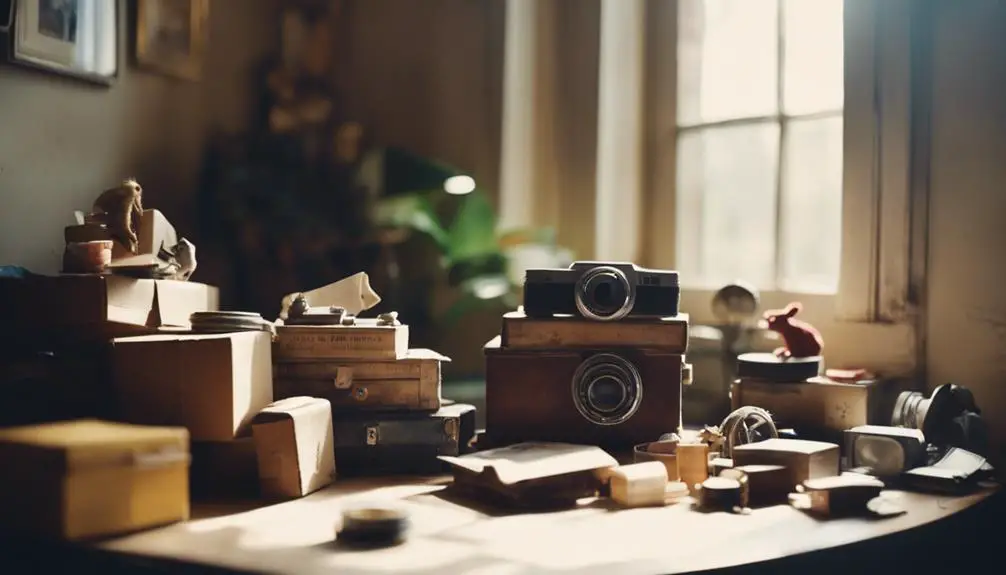
Holding onto sentimental items can bring both comfort and a sense of being overwhelmed. These possessions often bring back fond memories, yet they can also create a burden that makes it challenging to progress in life. When deciding what to keep or discard, it’s essential to reflect on the emotional connections tied to each item, as well as their significance in shaping your identity.
This introspective process can help you maintain a more purposeful relationship with your belongings, ultimately leading to a clearer and more focused life path.
To make this process easier, consider starting with a small collection of items. For instance, if you have old letters or photographs, evaluate how they contribute to your current sense of self. Are they reminders of a happy time, or do they evoke feelings that hold you back?
Keeping a few key pieces that truly resonate with you, while letting go of others, can create a sense of space and clarity.

Additionally, think about the role of material possessions in your life. Instead of viewing them solely as keepsakes, consider how they can serve a practical purpose or enhance your living environment.
For example, a beautiful piece of art might not only remind you of a cherished memory but also add aesthetic value to your home.
Ultimately, the goal is to find a balance between honoring your past and embracing your present. This approach allows you to create a living space that reflects who you are today while still holding onto the memories that matter most.
Understanding Sentimental Attachment
Sentimental items often evoke strong emotional connections. These objects act as vessels of nostalgia, bringing back memories and reminding individuals of significant life events. It can be challenging to part with a beloved, worn teddy bear or an old concert ticket because they represent more than mere physical objects; they encompass stories, emotions, and experiences that hold personal significance.

Understanding why you feel attached to these items is essential. Many of them symbolize connections to family and friends, milestones you’ve reached, or personal development. They may evoke feelings of comfort and joy, making it difficult to consider letting them go. Recognizing that these attachments stem from your unique experiences can help you appreciate them as temporary markers in your life journey rather than permanent possessions.
Letting go of sentimental items doesn’t equate to losing cherished memories. Instead, it can relieve the burden of excess clutter, making room for new experiences and fresh memories. Reflecting on the true meaning behind your sentimental possessions can empower you to make informed decisions about what to keep and what to release, ultimately leading to a more open and liberated space in your life.
For instance, consider a stack of old letters from a dear friend. They may hold significant memories, but if they’re taking up valuable space, you might choose to digitize them instead. This way, you preserve the memories without the physical clutter.
The Psychology of Sentimental Items
When you hold onto sentimental items, you’re often holding tight to the emotions and memories that come with them. These belongings can significantly influence your sense of self and the way you relate to your past. Recognizing these emotional connections can empower you to make thoughtful choices about what to keep and what to part with.

For instance, a childhood toy may remind you of simpler times and evoke feelings of safety and joy. This connection can be a source of comfort as you navigate the complexities of adult life. Conversely, a broken item that no longer serves a purpose might represent a painful memory. Understanding the weight of these emotions can guide you in deciding whether to retain such items or to allow them to go.
Sentimental objects often serve as tangible links to important experiences and relationships. A handwritten letter from a loved one can hold immense value, not only as a physical keepsake but also as a reminder of the bond you share. Such items enrich your life narrative and contribute to your personal history.
When evaluating your collection of sentimental items, consider their significance and the feelings they evoke. Keeping only those that truly resonate with you can lead to a more curated space that reflects your identity while freeing you from unnecessary clutter.
This process of reflection and evaluation can ultimately enhance your emotional well-being and make room for new memories.
Emotional Attachment Dynamics
Emotional attachment to sentimental items often arises from the memories and experiences they embody. These possessions can stir feelings of nostalgia that link you to your past, often reflecting principles of attachment theory. Many people find themselves holding onto objects that evoke a sense of safety and warmth.
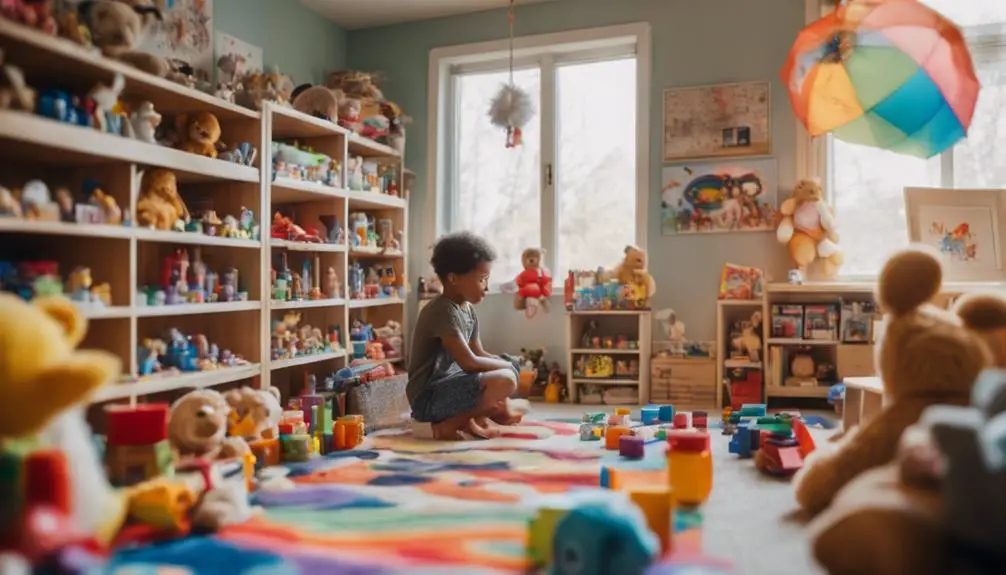
However, it’s important to reflect on the following points:
- Recognize the Emotional Significance: Acknowledge the reasons behind your attachment. Is it the item itself, or the memories it holds that resonate with you?
- Consider the Role of Nostalgia: While nostalgia can provide comfort, it can also keep you anchored in the past. Reflect on whether you’re idealizing memories rather than simply remembering them.
- Evaluate Your Burden: Accumulating too many sentimental items can become overwhelming. Think about whether you’re ready to simplify your space for a more liberated and present existence.
- Embrace the Idea of Letting Go: It’s perfectly acceptable to part with items that no longer bring you joy or serve a purpose in your life. Recognizing the liberation that comes from downsizing can be a significant step towards personal growth.
Understanding these dynamics can help you navigate your emotional attachments and make informed decisions about what to keep or release.
Memory and Identity Connection
Sentimental items often connect deeply to your sense of self, intertwining the threads of your past experiences and personal story. These objects act as anchors for your journey, reflecting how your identity has changed over time.
When you keep a beloved keepsake, you aren’t merely holding onto a physical object; you’re cherishing the memories that have influenced who you have become.

It is crucial to be aware of the nostalgic influence these items can have. Nostalgia can offer comfort, but it may also confine you to moments that no longer align with your current self.
If you ever feel weighed down by these possessions, it may be beneficial to evaluate their significance in your life. Are they facilitating your growth, or are they tethering you to an earlier version of yourself?
Welcoming change involves realizing that letting go of some sentimental items doesn’t erase your memories or lessen your identity. Instead, it creates room for new experiences and insights.
True freedom comes from selecting what resonates with your present and future, rather than being burdened by the past. Reflect on the items that genuinely represent your evolving identity, and free yourself from those that no longer hold meaning.
Benefits of Decluttering
Over time, clutter can be a burden, impacting you both physically and mentally. Adopting a minimalist approach can lead to greater emotional liberation. Decluttering isn’t merely about discarding items; it’s about reclaiming your environment and your life.

Here are four significant benefits to consider:
- Improved Concentration: A well-organized space allows you to focus more effectively on what truly matters, enhancing productivity in your daily tasks.
- Lowered Anxiety: Reducing clutter minimizes distractions, contributing to a calmer mindset. This can lead to improved overall well-being and a sense of control over your surroundings.
- Boosted Creativity: An orderly environment stimulates creative thinking. When your space is free from chaos, you create room for new ideas and innovative solutions to emerge.
- Increased Free Time: Decluttering saves you the time and effort spent on cleaning and organizing. This newfound time can be dedicated to hobbies, interests, or simply relaxing, enriching your life in meaningful ways.
Embracing these benefits can transform your space and enhance your daily experience.
When to Let Go
Knowing when to part with belongings holds equal significance to the act of decluttering itself. Sentimental items often serve as reminders of cherished moments or loved ones, but it’s essential to evaluate whether these possessions genuinely enhance your life or simply create unnecessary burden.
Reflect on your attachment to these items. Are they kept out of anxiety over losing memories, or do they truly contribute to your happiness? If you notice that these possessions bring more stress than joy, it may be time to let them go.

Consider the feelings these items evoke. Do they bring you happiness, or do they stir up guilt or a sense of obligation? If the latter resonates more, it’s a strong indicator that it’s time to release them.
You deserve a living space that feels light and uplifting rather than filled with remnants of the past that no longer benefit you.
Trust your instincts when assessing what to keep. Remember that letting go isn’t about erasing memories; it’s about creating space for new experiences and connections.
Embrace the liberating feeling that comes from shedding unnecessary attachments, allowing yourself to move forward into a more joyful and expansive life.
Common Misconceptions
Many individuals hold misconceptions about sentimental items, which can impede their decluttering efforts. Recognizing these myths can empower you to overcome clutter challenges and embrace space optimization. Here are four prevalent misconceptions:
- Not all sentimental items hold cultural significance. While some items may reflect cultural heritage, others often serve merely as nostalgia that doesn’t contribute positively to your current life. For instance, a dusty trophy from childhood may spark memories, but it may not hold any real value in your present.
- You don’t need to keep everything to honor memories. Retaining every item can complicate your decision-making process. The focus should be on emotional resilience rather than attachment styles. For example, instead of keeping all your childhood drawings, select a few that truly resonate with you, allowing you to appreciate the memories without the clutter.
- Your personal values, not generational influences, should dictate what you keep. Avoid the pressure to hold onto items simply because they were handed down to you. For instance, if a piece of furniture inherited from a relative doesn’t match your style or needs, it’s perfectly acceptable to let it go.
- Letting go of items doesn’t mean forgetting. Memories can be cherished without physical objects. For example, you can treasure the experience of a family vacation through photographs or stories, rather than holding onto every souvenir. This approach allows you to keep your space clear while preserving the essence of your experiences.
Understanding these misconceptions can lead to a more intentional approach to decluttering, freeing up space for items that truly enrich your life.
Emotional Impact of Decluttering
Letting go of sentimental items can significantly influence your emotional well-being. While these possessions often carry cultural significance and emotional weight, they can also contribute to psychological stress in cluttered spaces. Your attachment to family heirlooms may stem from nostalgia, but such connections might hinder your journey toward emotional healing.
Releasing these memory-laden objects makes room for personal growth and helps clarify your identity. It’s common to experience a swirl of emotions during the decluttering process. However, embracing this journey can lead to a sense of liberation. Recognizing the emotional burden these items impose is an essential first step.
Instead of feeling confined by your past, consider how letting go can serve as a source of strength. You may discover that the memories associated with these belongings remain alive within you, even after the physical items are no longer present.

Decluttering allows you to shed psychological weights, creating an environment where new experiences can thrive. Ultimately, valuing your emotional health over material possessions can pave the way for a more enriching life, unencumbered by clutter and the remnants of yesteryear.
Alternatives to Discarding
Instead of simply discarding sentimental items, consider creative alternatives that honor your memories while reducing clutter. Here are four engaging options to consider:
- Digital Alternatives: Capture your memorabilia through photography or scanning. This method allows you to preserve memories without the need for physical space, making it easier to keep cherished moments accessible.
- Creative Repurposing: Transform items into functional art. For example, you can turn an old t-shirt into a cozy quilt or incorporate ticket stubs into a scrapbook. These projects not only declutter your space but also create tangible representations of shared experiences.
- Memorabilia Swapping: Exchange items with friends or family who might appreciate your sentimental objects. This practice fosters connection and ensures that your treasured items continue to be valued and cherished in new homes.
- Emotional Journaling: Write about the memories associated with each item. This practice allows for artistic expression while keeping the essence of your experiences alive. It can be a therapeutic way to reflect on the significance of what you hold dear.
Thoughtful gifting is another way to share meaningful items during celebrations. Each of these alternatives provides a method to honor your past while enjoying a clutter-free environment.
Embracing these symbolic gestures can lead to new beginnings filled with cherished memories.
Creating a Memory Box
Creating a memory box allows you to keep cherished items that carry special significance in your life while minimizing clutter in your living space.

Begin the process by selecting items that truly resonate with your personal experiences and memories. These can include letters from friends, photographs from significant moments, or small mementos from trips or events.
Once you have gathered these meaningful treasures, it’s important to organize them thoughtfully in your box. Consider categorizing items by event, theme, or person to make it easier to revisit those memories later.
Using dividers or small containers within the box can help maintain order and ensure that each item is easily accessible.
To enhance the experience, you might want to include a journal where you can jot down the stories behind each item. This adds depth to your memory box, allowing future generations to understand the significance of each piece.
Choosing Meaningful Items
While it may be appealing to hold onto every sentimental item, concentrating on the most meaningful pieces can transform your memory box into something truly special.

By curating significant symbols and cherished artifacts, you can create a space that mirrors your unique journey and the memories you hold dear.
Think about including these four items in your memory box:
- A letter from a loved one – Keep the heartfelt words that resonate with you, serving as a reminder of their presence and the bond you share.
- A small trinket from a special trip – Select an object that encapsulates the joy of your adventures and explorations, allowing you to relive those experiences whenever you see it.
- A photograph capturing a cherished moment – Choose an image that stirs feelings of warmth and nostalgia, reminding you of a time that brought you happiness.
- A personal memento, such as a ticket stub or a pressed flower – These objects carry stories and represent fragments of your life, adding personal significance to your collection.
This thoughtful selection process will help ensure that your memory box isn’t just a collection of items but a meaningful representation of your life and experiences.
Organizing Your Box
A well-organized memory box enhances your ability to cherish and revisit your most treasured moments. Focusing on item prioritization helps you effectively manage the sentimental value of each piece. Start with a clutter assessment to identify what truly matters in your collection. Engage in reflection exercises that connect you emotionally with your items. This ensures you retain only those that bring joy or serve as meaningful memory triggers.

Consider these organizational tools for your memory box:
| Item Type | Storage Solution | Tips |
|---|---|---|
| Photos | Photo albums or sleeves | Clearly label dates and events |
| Letters & Notes | Envelopes or folders | Sort based on sender or receiver |
| Small Keepsakes | Clear plastic containers | Group items by theme |
| Mementos (e.g., tickets) | Ziplock bags | Include contextual information |
Creating an organized memory box allows you to preserve the stories behind each item. For example, when storing photos, using labeled photo albums can help you quickly locate specific events, making it easier to relive those moments. Similarly, organizing letters by sender can provide insight into your relationships over time, while grouping small keepsakes by theme can create a more cohesive narrative of your experiences. By ensuring that each item has a designated space and purpose, you cultivate an environment that invites reflection and appreciation of your past.
Tips for Sentimental Decluttering
Decluttering sentimental items can often feel like a daunting task, but it doesn’t have to be an overwhelming experience. Embracing the sense of liberation that comes from letting go can be profoundly freeing. Here are some practical tips to assist you on this journey while still honoring your cherished memories:
- Identify Emotional Connections: Focus on items that trigger strong emotions or vivid memories. Keep only those pieces that genuinely resonate with your personal history and bring you joy.
- Establish Limits: Determine a specific number of items you wish to retain. This practice helps prioritize what’s most significant to you and effectively reduces clutter.
- Create a Memory Book: Instead of holding onto every tangible item, consider documenting them through photographs or written reflections. This approach allows you to preserve the essence of your memories without accumulating physical clutter.
- Cultivate a Sense of Gratitude: Take a moment to reflect on the happiness each item has brought into your life. Acknowledge that it served its purpose and then give yourself permission to part with it. This shift in mindset can significantly ease the decluttering process.
By implementing these strategies, you can navigate the emotional landscape of sentimental decluttering with greater ease and clarity.

Transforming your space into one that truly reflects your current life while honoring your past.
The Role of Forgiveness
Forgiveness is crucial for releasing the emotional baggage associated with clutter and the memories it holds. Letting go of feelings such as guilt or regret enables healing and paves the way for new experiences. This process fosters an appreciation for past moments while simultaneously inviting new memories into your life.
When you choose to forgive, it’s like clearing out a cluttered room; you make room for fresh, vibrant energy. For instance, consider a situation where old photographs evoke bittersweet memories. Instead of holding onto them out of obligation, allowing yourself to forgive those memories can free you to create new ones.
Embracing forgiveness isn’t merely a way to move on; it’s an essential step in personal growth. It can lead to a sense of lightness and clarity, making space for positive experiences and relationships.
Letting Go of Clutter
Letting go of clutter involves more than just clearing physical space; it often necessitates an emotional release that can be quite challenging. Embracing a minimalist mindset can assist you in dealing with the sentimental attachments tied to your belongings.

Here are four steps to guide you through this process:
- Acknowledge Your Feelings: Recognize the emotions associated with your items. Feeling nostalgic about certain objects is completely normal. Understanding these feelings is the first step toward moving on.
- Set Clear Intentions: Define your reasons for wanting to declutter. Consider whether your goal is to create more space, alleviate stress, or experience a sense of freedom in your environment. Having clear intentions will keep you motivated throughout the process.
- Evaluate Each Item: Take the time to assess each item in your possession. Determine if it serves a practical purpose or brings you joy. If an item no longer contributes positively to your life, it may be time to consider parting with it.
- Practice Forgiveness: Allow yourself to forgive any past decisions regarding items you’ve held onto for too long. Letting go shouldn’t come with guilt. Acknowledge that it’s okay to move forward and release those items without remorse.
This structured approach can help create a more serene living environment, ultimately leading to a happier and more organized life.
Healing Through Release
Release acts as a significant catalyst for healing, particularly when it comes to forgiving yourself for clinging to items that no longer benefit you. Embracing the path to healing involves acknowledging that these possessions can sometimes tie you to past hurts, obstructing your emotional freedom.
Practicing awareness of your attachments enables you to discern what genuinely matters in your life and what holds you back from developing a growth-oriented mindset.

Employ techniques such as mindful release or transformative letting to kickstart your journey of self-discovery. Each item you choose to part with can represent a tangible step towards building emotional resilience.
Engaging in closure strategies—like writing a letter to the object or reflecting on the memories associated with it—can provide essential context for this transformative process.
For instance, if you have an old shirt that reminds you of a difficult time, consider writing down how that shirt made you feel. Reflect on the memories it evokes, then decide whether to keep it or let it go.
This practice not only helps you confront past emotions but also clarifies your current values and future aspirations.
Embracing New Memories
Embracing new memories often calls for a readiness to forgive—not only others but also yourself. Holding onto past mistakes or cherished belongings can burden you, hindering your ability to fully immerse yourself in new experiences and future opportunities.
When you choose to release these attachments, you liberate your mind and heart, allowing for the creation of vivid memories that truly represent who you’re today.
Here are four steps to guide you on this transformative journey:
- Recognize your emotions: Take time to understand why certain items hold significance for you and what they symbolize in your life. This acknowledgment is crucial as it helps clarify the emotional weight they carry.
- Allow yourself to forgive: Let go of any guilt tied to the act of releasing these possessions. It’s important to understand that prioritizing your own happiness is valid and necessary for personal growth.
- Make room for new experiences: Decluttering your space can lead to new opportunities. Clearing out the old opens up pathways for fresh adventures and meaningful relationships to flourish.
- Envision your future: Consider how your life could transform without the burden of past attachments. Focus on the exciting possibilities that lie ahead, imagining a life filled with potential and joy.
Forgiveness acts as a gateway to a life rich in happiness and personal development. Embracing new memories empowers you to relish the freedom that comes with living fully in the present moment.
Finding Closure
Finding closure can be a transformative experience, particularly when faced with the challenge of parting with sentimental items. The emotions you encounter—nostalgia and guilt—can be intense. However, it’s crucial to understand that letting go doesn’t equate to losing the memories associated with those items. Embracing closure techniques can significantly aid you on this emotional journey, enhancing your ability to cope with change.
Begin by recognizing and validating your feelings. One effective method is to write a letter to the item, articulating its significance in your life and the role it played in your experiences. Engaging in this practice can foster a sense of relief, allowing you to honor the past while making room for new experiences.
Taking photographs of these objects before parting with them is another helpful strategy; it enables you to keep the memories alive without the physical clutter. As you release these items, remind yourself that true freedom is an internal state. Each item you let go of creates opportunities for growth and new possibilities.
Concentrate on the joy and lessons these belongings provided you, rather than focusing on the sense of loss. By incorporating these closure techniques into your life, you’ll find your emotional resilience growing stronger, empowering you to embrace the future with an open heart.
For those looking to further explore closure, consider journals such as “The Art of Letting Go” or guided workbooks that focus on emotional healing. These resources can provide additional support as you navigate this journey.
Stories Behind Sentimental Items
Every sentimental item you keep has a unique story that has influenced your life in some way. These memories can create deep emotional connections, making it difficult to part with certain objects. Recognizing the importance of each item can assist in determining what’s truly valuable enough to hold onto.
For instance, a faded photograph of a family gathering might remind you of cherished moments spent with loved ones, evoking feelings of warmth and nostalgia. On the other hand, a broken piece of jewelry could symbolize a painful memory or a relationship that no longer serves you. Understanding these narratives behind the objects can provide clarity, allowing you to assess which items contribute positively to your life and which ones may be better to release.
Consider keeping only those items that inspire joy or serve as reminders of personal growth. A handwritten letter from a friend, for example, can be a source of encouragement during difficult times, while a childhood toy might represent innocence and playfulness that you want to preserve.
Memories Associated With Items
We often keep sentimental items because they hold significant memories that shape our identity. These objects act as memory triggers, bringing forth feelings of nostalgia and transporting us back to treasured moments. The emotional connections we’ve with these items can deeply resonate, reminding us of our personal journey.
Consider these four types of sentimental items:
- Family heirlooms – These pieces represent your heritage and the stories that have been shared across generations. They connect you to your roots and the experiences of those who came before you.
- Photographs – Capturing brief instances in time, photographs preserve smiles and experiences that are integral to your life story. They serve as visual reminders of the moments that have defined you.
- Gifts from loved ones – Each gift carries its own significance, symbolizing the love and bond between you and the person who gave it. These items often hold memories of special occasions or shared experiences that deepen your connection.
- Travel souvenirs – These items represent adventures and the exhilaration of discovery. They remind you of the joy and freedom found in exploration, serving as tangible reminders of your journeys.
Understanding the meaning behind these artifacts is crucial for preserving memories. Their emotional weight can sometimes feel overwhelming, creating attachments that may hinder your ability to move forward.
Assessing the significance of each item allows you to keep only those that genuinely enhance your life, giving you the opportunity to release the others.
Emotional Attachment Factors
Many individuals develop emotional bonds with sentimental items due to the unique stories embedded in their pasts. These belongings often act as triggers for nostalgia, bringing forth memories of meaningful moments and significant people in their lives.
For example, a childhood toy or a piece of jewelry gifted by a friend can embody the spirit of those experiences, creating a deep connection. Such attachments often reflect one’s attachment styles, influencing how they relate to others and their possessions.
When recalling these items, they may evoke feelings of comfort and security, serving as reminders of personal identity and heritage. The narratives associated with these items foster a sense of belonging, making it challenging to part with them. The thought of letting go can feel like losing a fragment of oneself or severing ties to precious memories.
However, it’s important to acknowledge that while these items carry deep meaning, the emotions linked to them can sometimes feel burdensome. Finding a balance between honoring past experiences and allowing oneself the freedom to progress can be liberating.
Reflecting on the narratives behind treasured possessions can illuminate the reasons for emotional attachment and assist in making thoughtful decisions about what to keep or let go.
For example, a worn-out teddy bear from childhood may remind someone of the comfort they found during difficult times. Recognizing this attachment can help them decide whether to keep it as a cherished memory or to pass it on to someone else, knowing that the feelings it represents will remain, regardless of the item’s physical presence.
Letting Go Process
Letting go of sentimental items can lead to significant personal growth, uncovering the deeper meanings behind each object. Understanding what these items symbolize allows you to release the emotional burden they may carry.
It’s important to recognize your attachment styles—whether anxious, avoidant, or secure—as they shape how you hold onto possessions.
Consider these four items that often carry sentimental weight:
- Old letters: These serve as reminders of relationships that have influenced your life.
- Childhood toys: They represent innocence and joyful, carefree moments from your past.
- Family heirlooms: These connect you to your heritage and familial history.
- Photographs: They capture moments that bring back feelings of nostalgia.
As you go through these items, reflect on whether they genuinely bring you joy or if they’re merely a source of obligation.
Recognizing the stories associated with each piece allows you to appreciate them without the need to keep them. Embracing the liberation that comes from letting go creates an opportunity for new experiences and memories.
This process isn’t about discarding your past; it’s about honoring it while making space for your future.
Balancing Sentiment and Space
Achieving a harmonious balance between emotional attachment and spatial efficiency can be quite a challenging endeavor. It’s essential to honor the sentimental value of your beloved possessions while also embracing the freedom that comes with effective space management.
Begin by developing an awareness of your attachments; assess which items genuinely resonate with you and which may simply be occupying valuable space. Gaining emotional clarity is crucial for informed decision-making. Reflect on the memories you wish to cherish. Identify specific items that encapsulate the essence of those experiences.
By thoughtfully selecting what to retain, you foster a sense of emotional strength. This journey transcends mere decluttering; it’s about shaping a living space that embodies who you’re today rather than who you were in the past.
Embracing a decluttering mindset enables you to part with excess belongings. This process is gradual and shouldn’t be rushed. Relish in the liberation that accompanies lightening your load, making room for new opportunities. Each item you choose to let go of not only clears physical space but also liberates you from the burden of unnecessary emotional ties.
This shift allows you to welcome future experiences with an open heart and mind, free from the weight of the past. Consider using storage solutions like clear bins or decorative baskets to organize items that hold sentimental value, while still creating a tidy environment.
Donating gently used items or selling them online can also provide a sense of purpose to the decluttering process, transforming what you no longer need into someone else’s treasure.
Involving Family in Decisions
Involving family in the decision-making process can enhance both the emotional and practical elements of decluttering sentimental items. Engaging your loved ones fosters a supportive atmosphere that promotes collaboration among family members.
Here are some effective strategies for making decisions together:
- Organize a Family Meeting: Bring everyone together to talk about sentimental items. This setting allows each person to share their feelings and thoughts, ensuring that everyone’s voice is heard.
- Sort into Categories: Divide items into “keep,” “donate,” and “discard” groups. This method helps visualize what holds true value for the family, making it easier to identify what’s essential.
- Exchange Stories: Encourage each family member to recount memories associated with specific items. This sharing can deepen understanding of the significance behind each piece and may lead to joint decisions that respect everyone’s feelings.
- Establish Limits: Decide on a maximum number of items each person can retain. This approach provides a sense of autonomy while preserving emotional connections to cherished possessions.
Mindful Decluttering Practices
Mindful decluttering practices can profoundly change how you handle sentimental items, transforming what might feel like a daunting chore into a meaningful journey. Engaging in mindful practices allows you to curate a living space that truly reflects your values and priorities. Begin with a sentimental evaluation: consider what holds real significance for you and understand the reasons behind those feelings. This thoughtful approach can enhance your emotional strength, making it simpler to part with items that no longer serve you.
Here’s a straightforward table to guide your decluttering journey:
| Step | Mindful Approach | Outcome |
|---|---|---|
| Identify items | Reflect on your emotional attachments | Gain clarity on what matters |
| Set intentions | Articulate your emotional objectives | Enable focused decision-making |
| Sort systematically | Organize items based on memory value | Achieve a well-structured space |
| Decide with care | Evaluate each item’s meaning | Foster intentional living |
| Let go gently | Validate your emotions | Experience liberation from clutter |
As you navigate this decision-making process, embrace the emotions that come up. This journey is about creating room for what resonates with you in the present, rather than clinging to what once defined you. Engaging with your feelings during this process not only eases the burden of letting go but also paves the way for a more fulfilling living environment.
Personal Growth Through Letting Go
Letting go of sentimental items goes beyond merely organizing your space; it presents a chance for significant personal development. As you embark on this journey of self-discovery, you may realize that parting with these possessions can enhance your emotional resilience and help you embrace change.
Here are four ways releasing items can contribute to your growth:
- Clarity: Disposing of unnecessary belongings can declutter your mind, allowing you to concentrate on what’s truly important in your life.
- Freedom: Letting go of attachments frees you from the weight of the past, enabling you to immerse yourself in the present and look forward to future possibilities.
- Confidence: Each item you decide to part with boosts your decision-making skills, reinforcing your capacity to face and manage life’s challenges.
- Growth: Accepting change opens your mind to new experiences and opportunities, promoting continuous personal development.
Sorting through your sentimental items may stir a whirlwind of emotions.
It’s essential to recognize these feelings and acknowledge the bravery it takes to release what once held meaning.
This process transcends mere decluttering; it’s a vital step toward realizing your fullest potential.
Embrace the liberation that accompanies letting go, and watch as your life unfolds in exciting new directions.
Resources for Emotional Support
Navigating the emotional journey of letting go can be difficult, and having a strong support system is crucial. Accessing resources that foster emotional resilience and help you understand your feelings is important. Consider participating in support groups where you can share experiences and learn effective coping strategies from others who have faced similar challenges.
Here’s a concise overview of beneficial resources:
| Resource Type | Description |
|---|---|
| Support Groups | Connect with individuals who can relate to your experiences. |
| Professional Help | Find grief counseling or therapy for personalized guidance. |
| Community Workshops | Join activities that encourage self-care practices. |
Incorporating mindfulness techniques such as guided meditation and therapeutic journaling can help clear your thoughts and process your emotions more effectively. Attending community workshops can provide you with new self-care strategies that empower your healing process. It is important to remember that seeking help is a sign of strength. Embracing these resources can lead you toward the freedom you desire, allowing you to release sentimental items with dignity. The significance of connection and support cannot be overstated in your healing journey.
Conclusion
In summary, it is entirely acceptable to let go of sentimental items that no longer bring you joy or serve a purpose in your life. Studies indicate that decluttering can significantly alleviate stress, reducing it by as much as 40%. This process creates room for new experiences and personal growth. When you release physical belongings, you lighten the emotional burden, allowing yourself to cherish memories without the encumbrance of clutter. Embrace the path of intentional decluttering; the sense of relief and freedom that emerges will positively impact your life moving forward. Your future self will appreciate the clarity and space you have cultivated.
